
Dealing with Separation Anxiety in German Shepherds
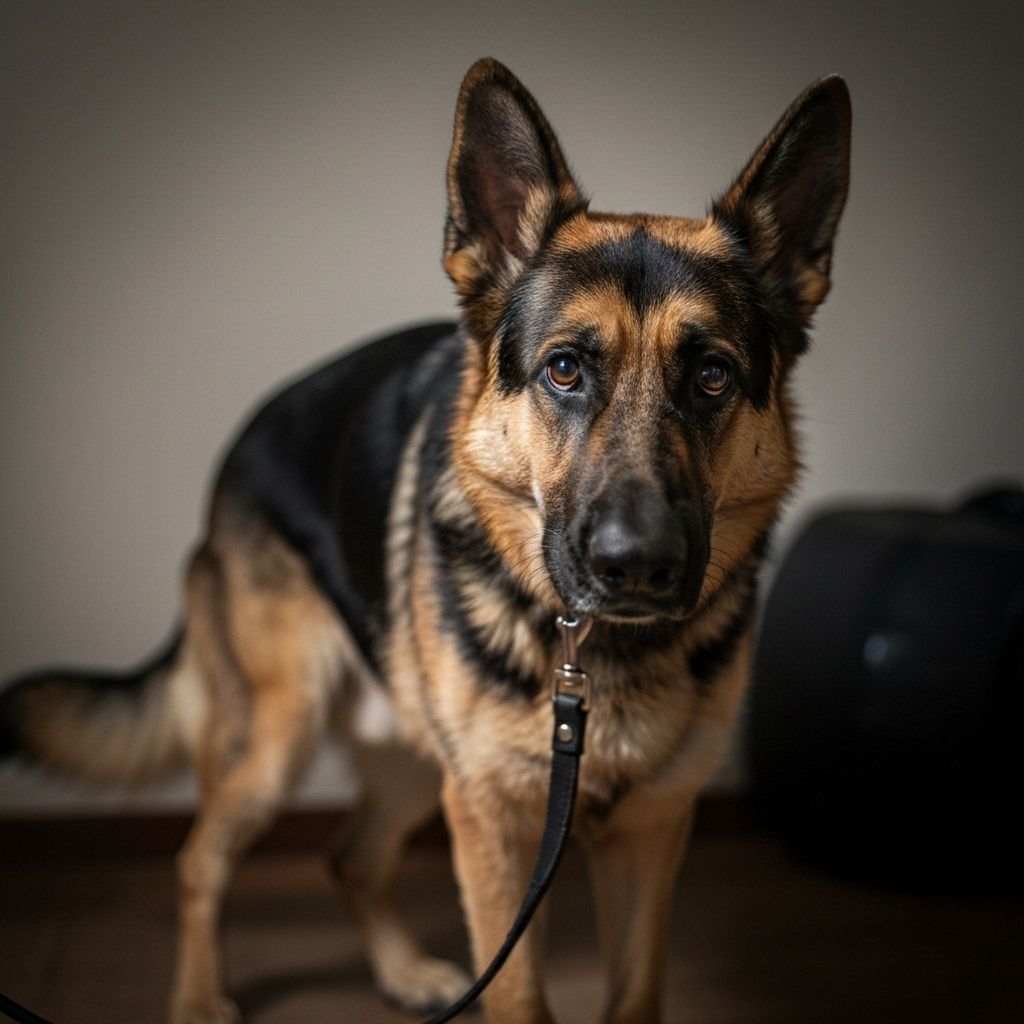
Separation anxiety is a common behavioral issue in German Shepherds due to their strong bond with their owners. This comprehensive guide will help you understand, prevent, and treat separation anxiety to ensure your dog feels secure and confident when alone.
Understanding Separation Anxiety
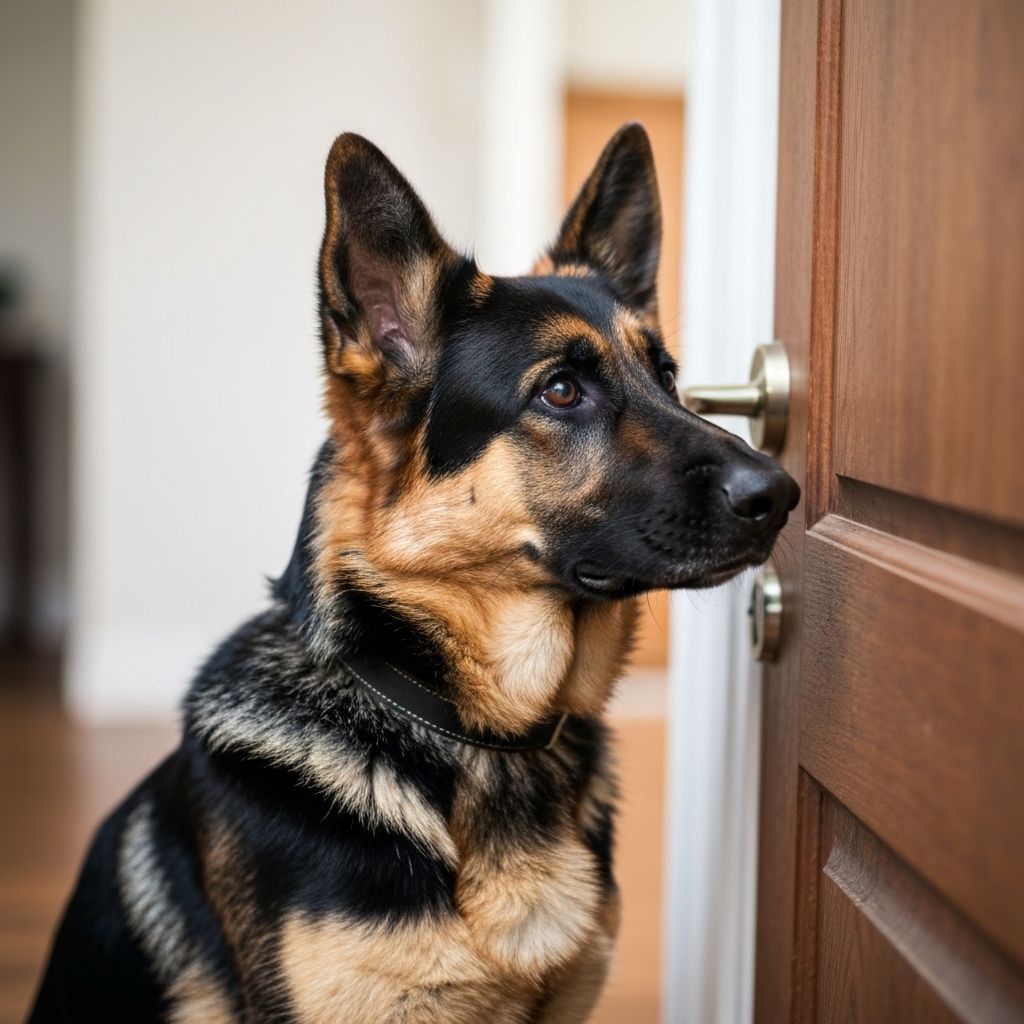
Separation anxiety occurs when a dog becomes excessively distressed when separated from their owner or primary caregiver. German Shepherds, bred to work closely with humans, are particularly susceptible to this condition.
Why German Shepherds Are Prone to Separation Anxiety
- •Strong Bonding Instinct: Bred to work alongside handlers, creating intense attachments
- •High Intelligence: Awareness of routine changes and owner's departure cues
- •Protective Nature: Desire to guard and be near their family at all times
- •Energy Levels: High energy can manifest as anxiety when confined or alone
Recognizing the Signs
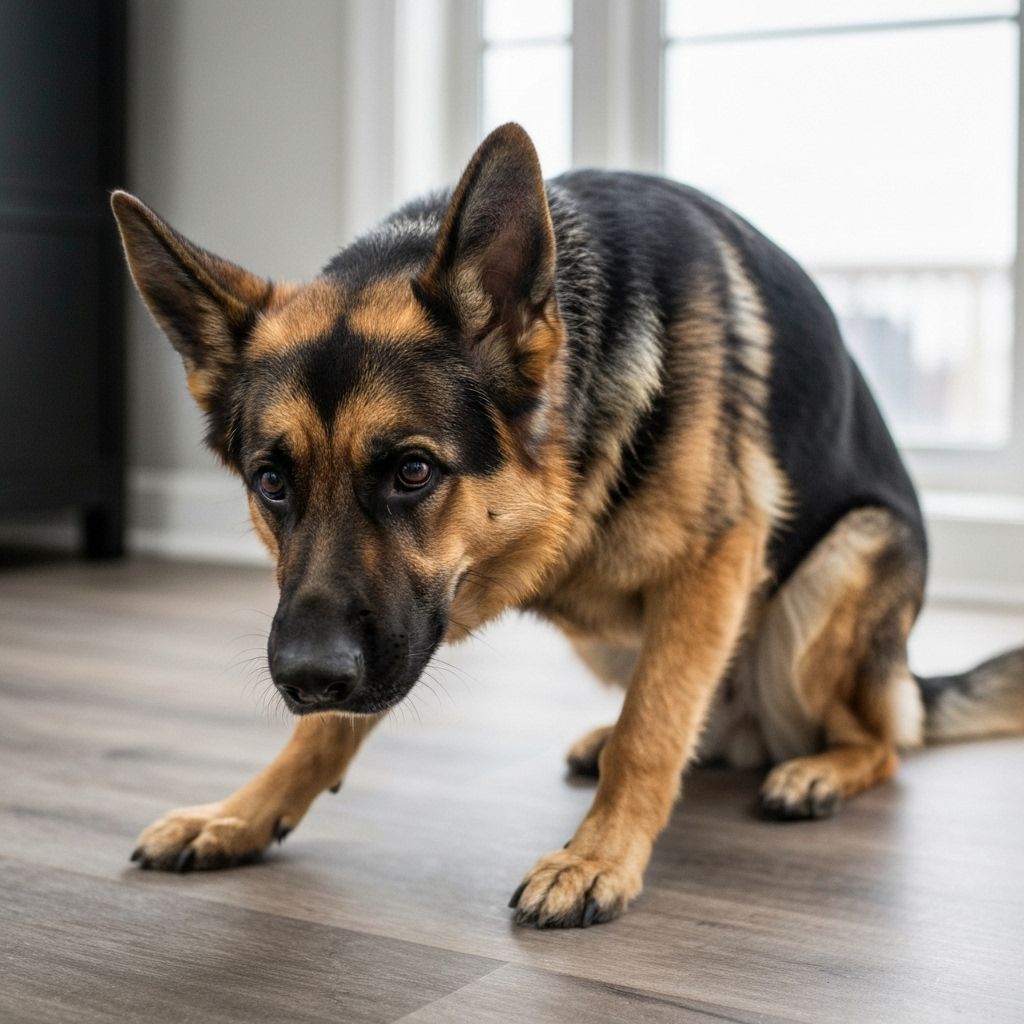
Early recognition of separation anxiety symptoms is crucial for effective treatment. Watch for these common signs:
Behavioral Symptoms
- •Excessive Vocalization: Barking, howling, or whining when left alone
- •Destructive Behavior: Chewing furniture, doors, or windows near exits
- •House Soiling: Accidents despite being house-trained
- •Escape Attempts: Trying to break out of crates or rooms
- •Pacing and Restlessness: Unable to settle when owner prepares to leave
- •Excessive Drooling: Stress-induced salivation
Common Causes
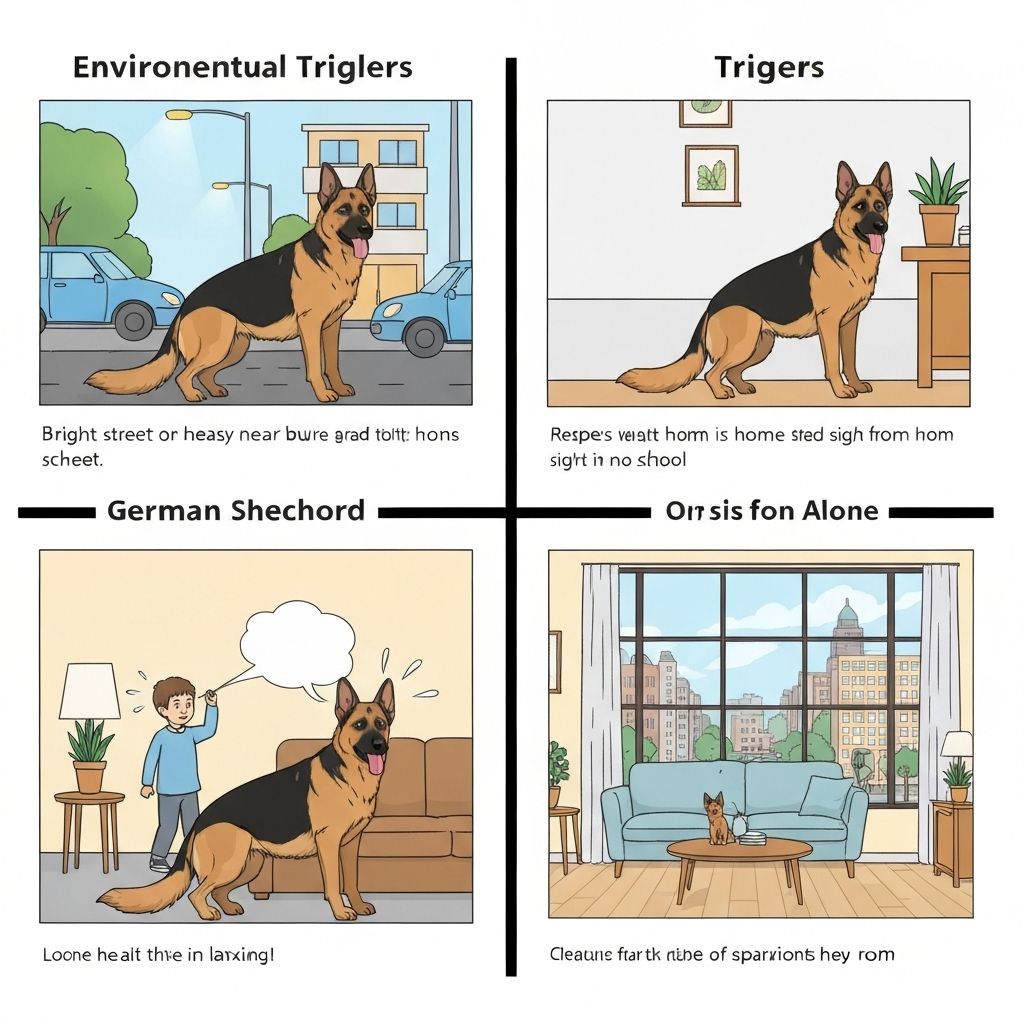
Understanding the root causes helps in developing an effective treatment plan:
- •Change in Routine: New work schedule, moving homes, or family changes
- •Lack of Independence Training: Never learning to be comfortable alone
- •Traumatic Experience: Previous abandonment or shelter experience
- •Over-Attachment: Spending too much time together without breaks
- •Insufficient Exercise: Pent-up energy manifesting as anxiety
Treatment Strategies
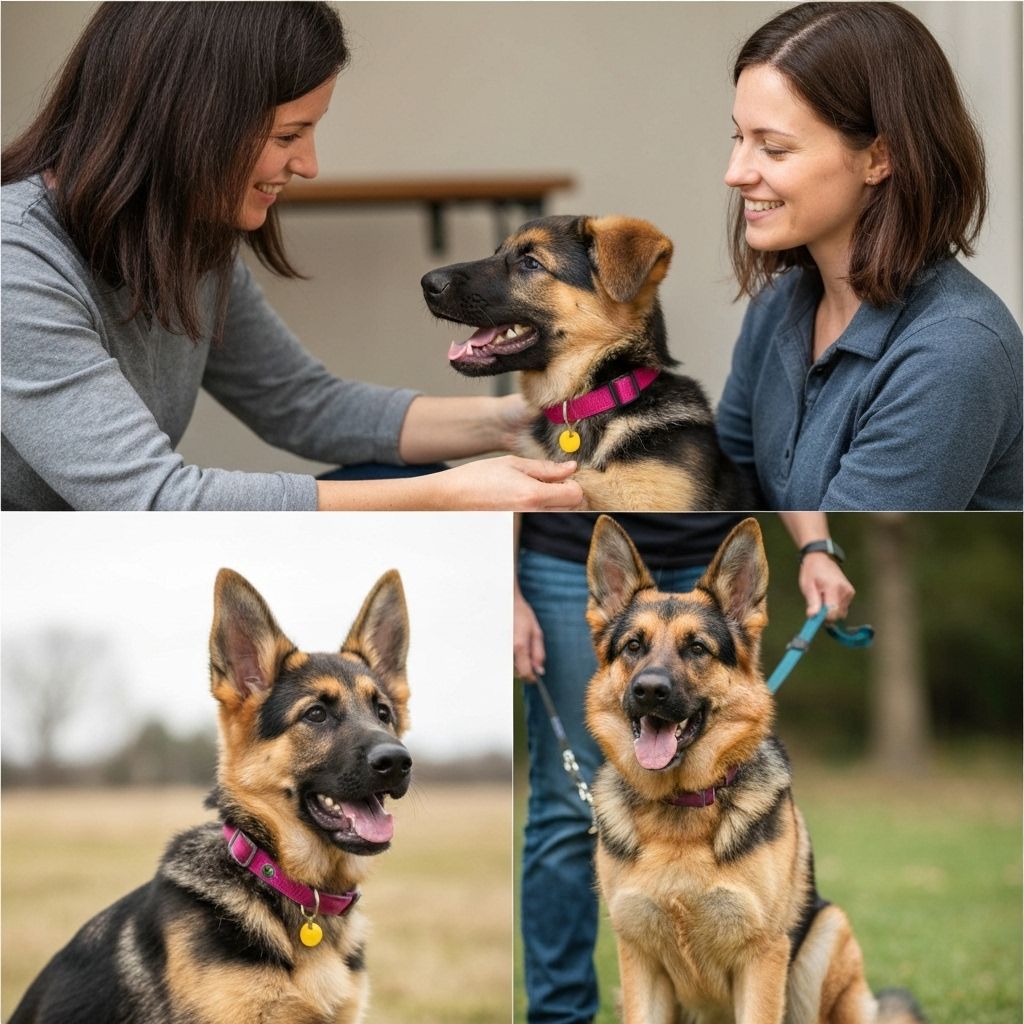
Desensitization and Counter-Conditioning
The most effective approach involves gradually teaching your dog that being alone is safe and even rewarding:
- •Start Small: Leave for just 30 seconds, then gradually increase duration
- •Practice Departure Cues: Pick up keys, put on shoes without actually leaving
- •Create Positive Associations: Give special treats or toys only when leaving
- •Calm Departures and Returns: No emotional goodbyes or excited greetings
- •Exercise Before Leaving: Tire your dog out with physical and mental stimulation
Important: Severe separation anxiety may require professional help from a veterinary behaviorist. Don't hesitate to seek expert guidance if symptoms persist or worsen.
Prevention Tips
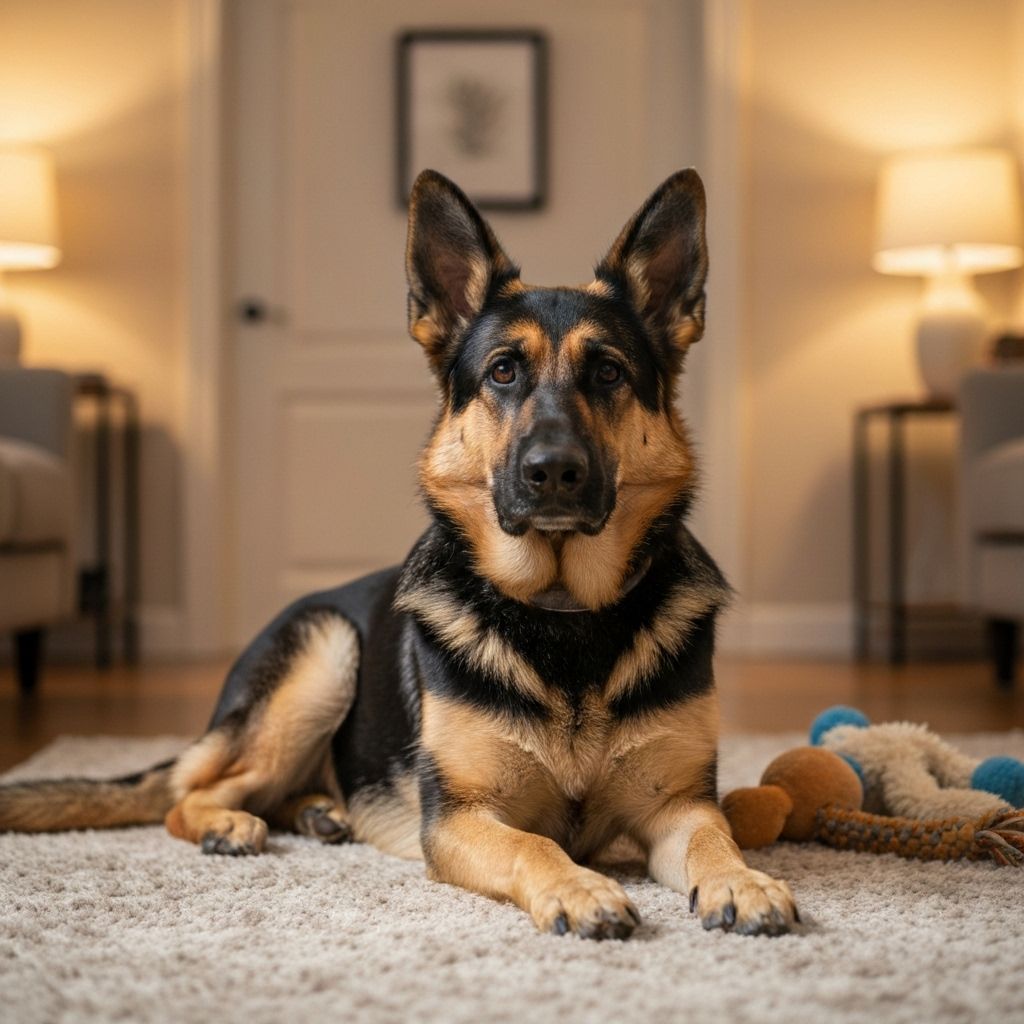
Prevention is always easier than treatment. Start these practices early:
- •Independence Training: Teach your puppy to be comfortable alone from day one
- •Crate Training: Create a safe, comfortable den space
- •Consistent Routine: Maintain predictable schedules for feeding, exercise, and alone time
- •Mental Stimulation: Provide puzzle toys and enrichment activities
- •Avoid Over-Attachment: Encourage independence even when you're home
Conclusion
Separation anxiety is a treatable condition that requires patience, consistency, and understanding. With proper training and gradual desensitization, most German Shepherds can learn to feel secure and comfortable when left alone.
Remember that progress may be slow, and setbacks are normal. Stay committed to the training process, and don't hesitate to seek professional help if needed. Your German Shepherd's emotional well-being is worth the investment.