
Complete Guide to German Shepherd Puppy Training
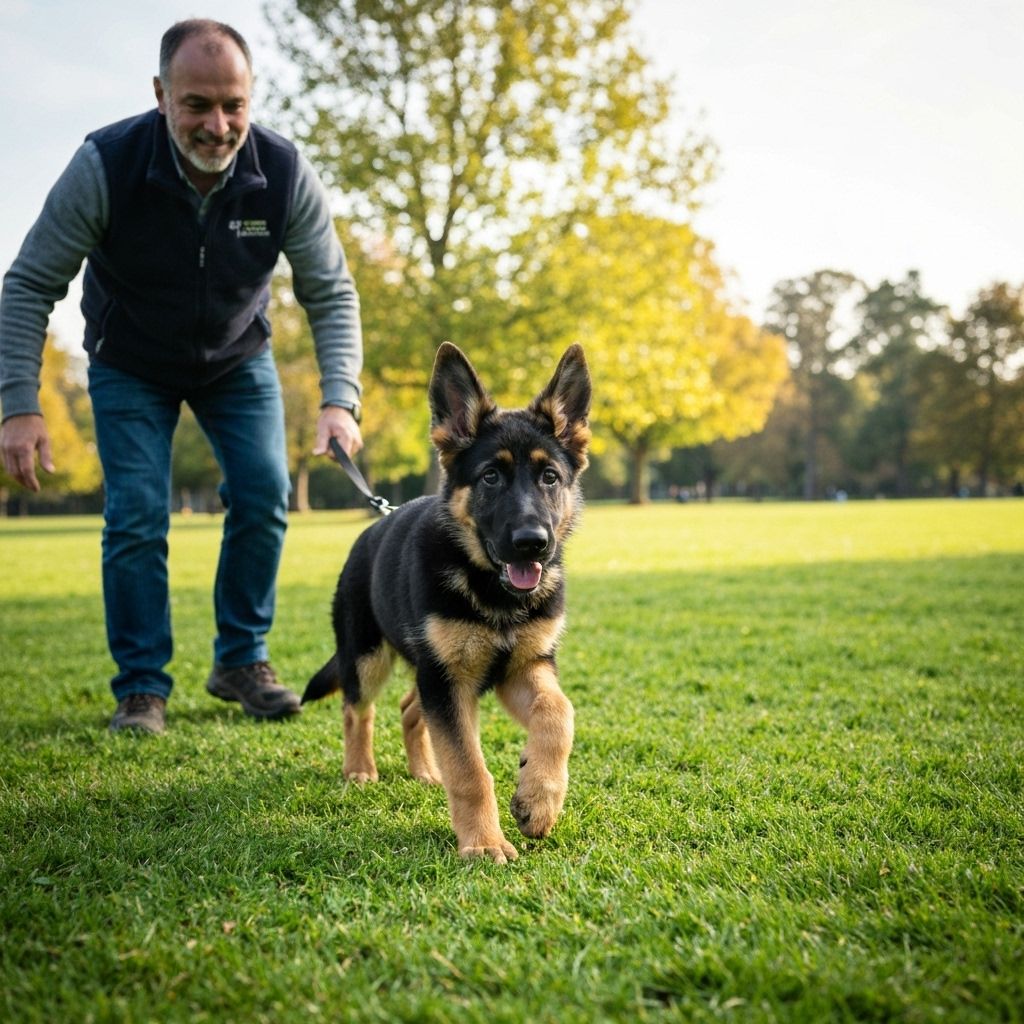
Introduction to Puppy Training
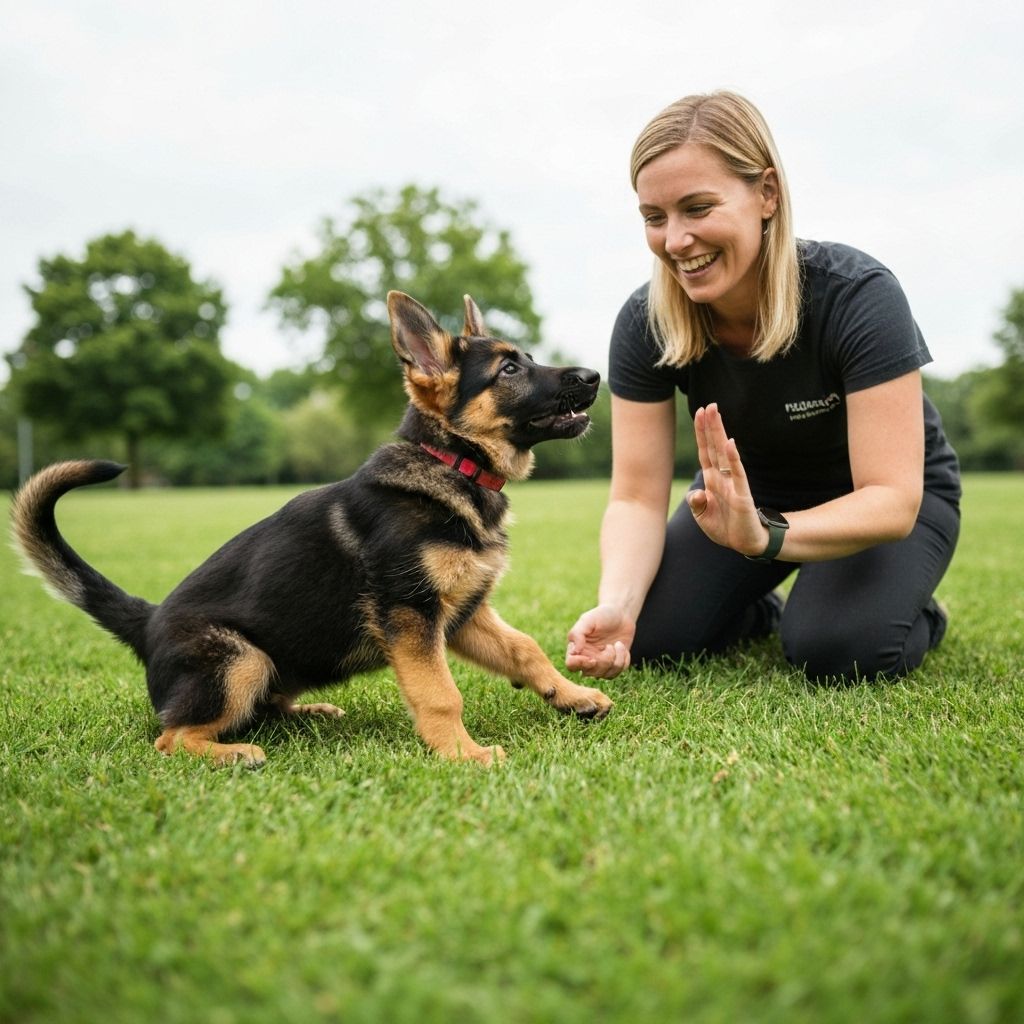
Training a German Shepherd puppy is one of the most rewarding experiences you'll have as a dog owner. These intelligent, loyal companions are eager to learn and thrive on mental stimulation. Starting training early sets the foundation for a well-behaved, confident adult dog.
German Shepherds are known for their intelligence and trainability, ranking among the top breeds for obedience and working ability. This natural aptitude means they can learn commands quickly, but it also means they need consistent, positive training from an early age to channel their energy and intelligence appropriately.
In this comprehensive guide, we'll cover everything you need to know about training your German Shepherd puppy, from basic commands to socialization techniques. Whether you're a first-time dog owner or an experienced handler, you'll find valuable insights to help your puppy reach their full potential.
Basic Commands Every Puppy Should Know
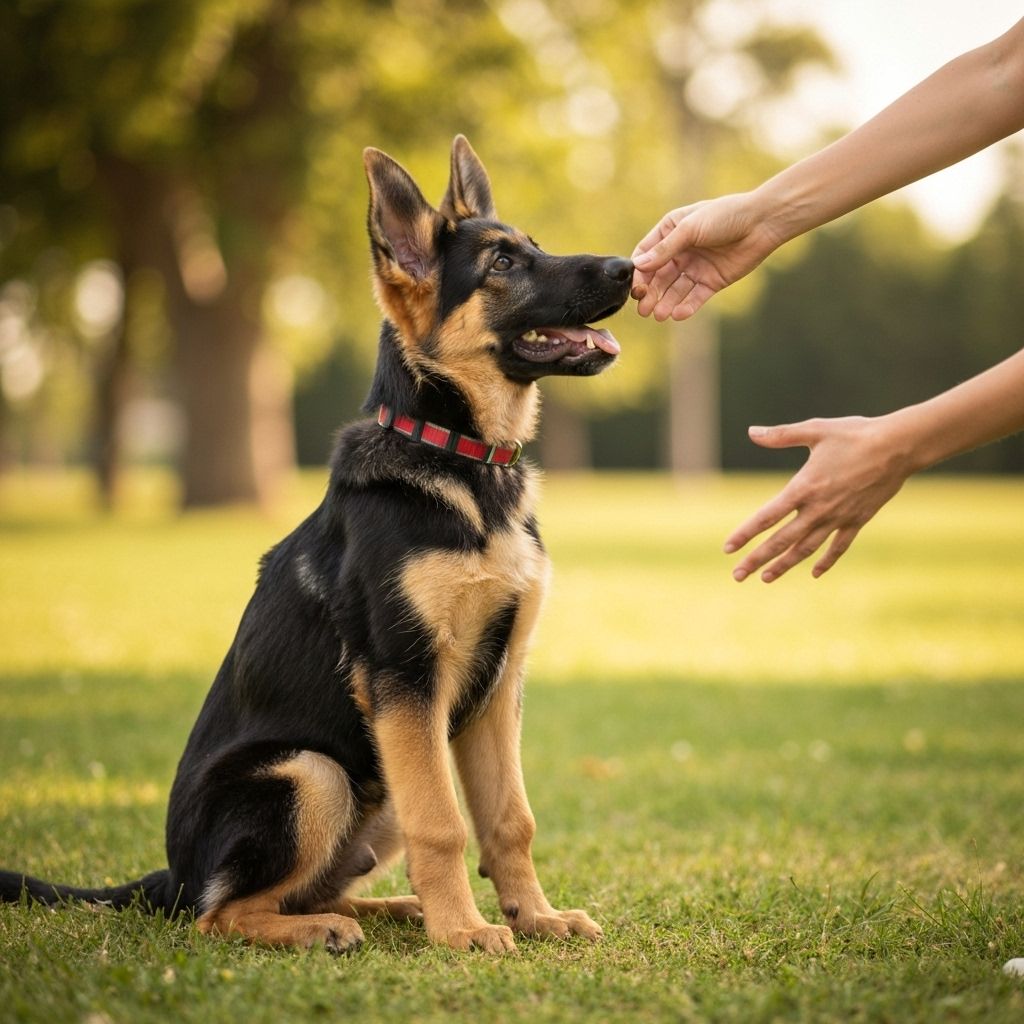
Starting with fundamental commands creates a strong foundation for all future training. Here are the essential commands every German Shepherd puppy should master:
Essential Training Commands
- Sit: The most basic and useful command, teaching impulse control and patience. This command forms the foundation for many other behaviors.
- Stay: Essential for safety and building patience. Teaches your puppy to remain in position until released.
- Come: Critical for recall and keeping your puppy safe in any environment. This life-saving command should be practiced regularly.
- Down: Helps with calming and settling behaviors. Useful for managing excitement and teaching relaxation.
- Leave it: Prevents your puppy from picking up dangerous items or engaging with unwanted objects.
Training Tips for Success
Each command should be taught using positive reinforcement techniques. Use high-value treats, praise, and play as rewards. Keep training sessions short (5-10 minutes) and always end on a positive note to maintain your puppy's enthusiasm for learning.
Consistency is key when training German Shepherd puppies. Use the same verbal cues and hand signals every time, and ensure all family members follow the same training protocols. This prevents confusion and accelerates learning.
House Training Your GSD Puppy
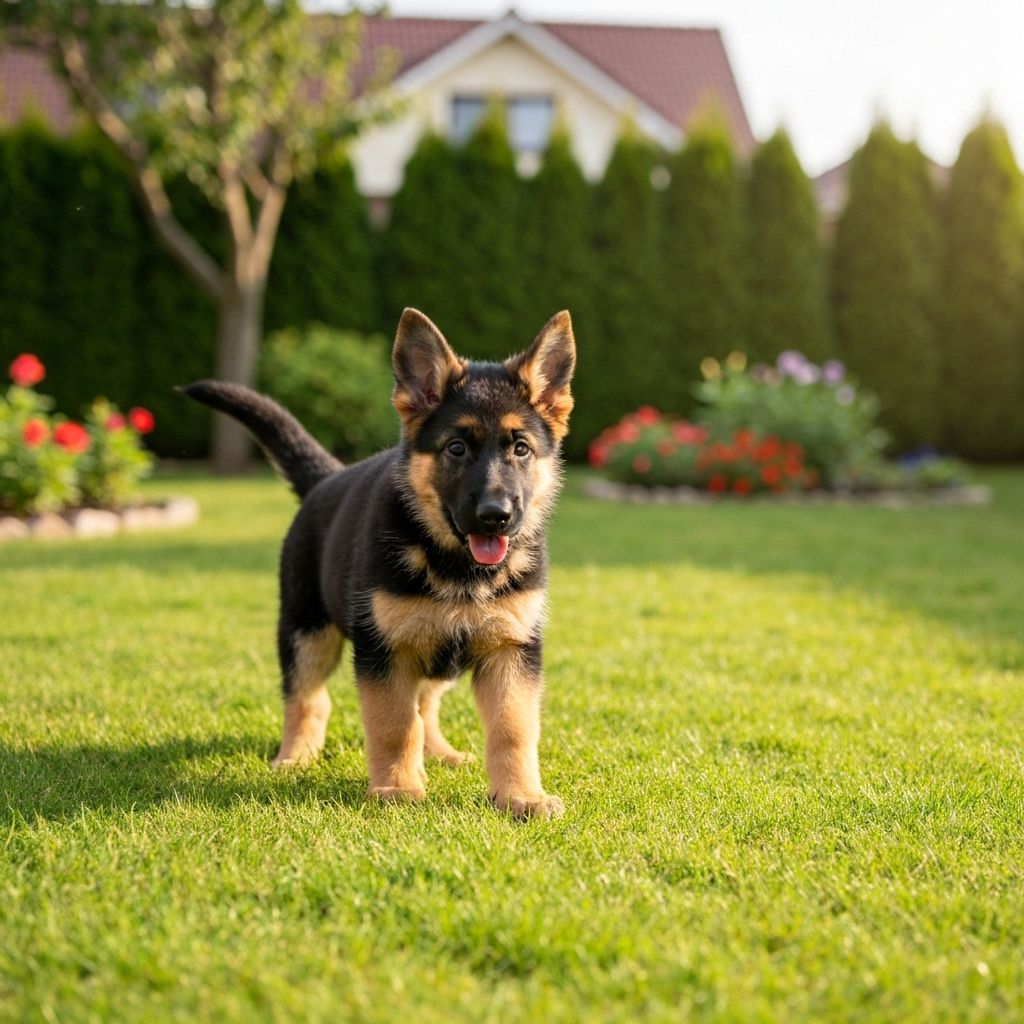
House training requires patience, consistency, and a regular schedule. German Shepherd puppies typically need to eliminate after waking up, after eating, after playing, and every 2-3 hours during the day. Understanding your puppy's natural rhythms is essential for successful house training.
House Training Schedule and Tips
- Take your puppy out first thing in the morning
- After every meal (typically 15-30 minutes later)
- After naps and play sessions
- Before bedtime
- Every 2-3 hours during the day for young puppies
Take your puppy to the same spot each time, use a consistent command like "go potty," and reward immediately after they eliminate. This creates a strong association between the location, command, and desired behavior.
Accidents will happen—never punish your puppy for them. Punishment can create fear and anxiety, making house training more difficult. Instead, clean thoroughly with an enzymatic cleaner to remove odors and increase supervision to prevent future accidents.
Common Training Mistakes to Avoid
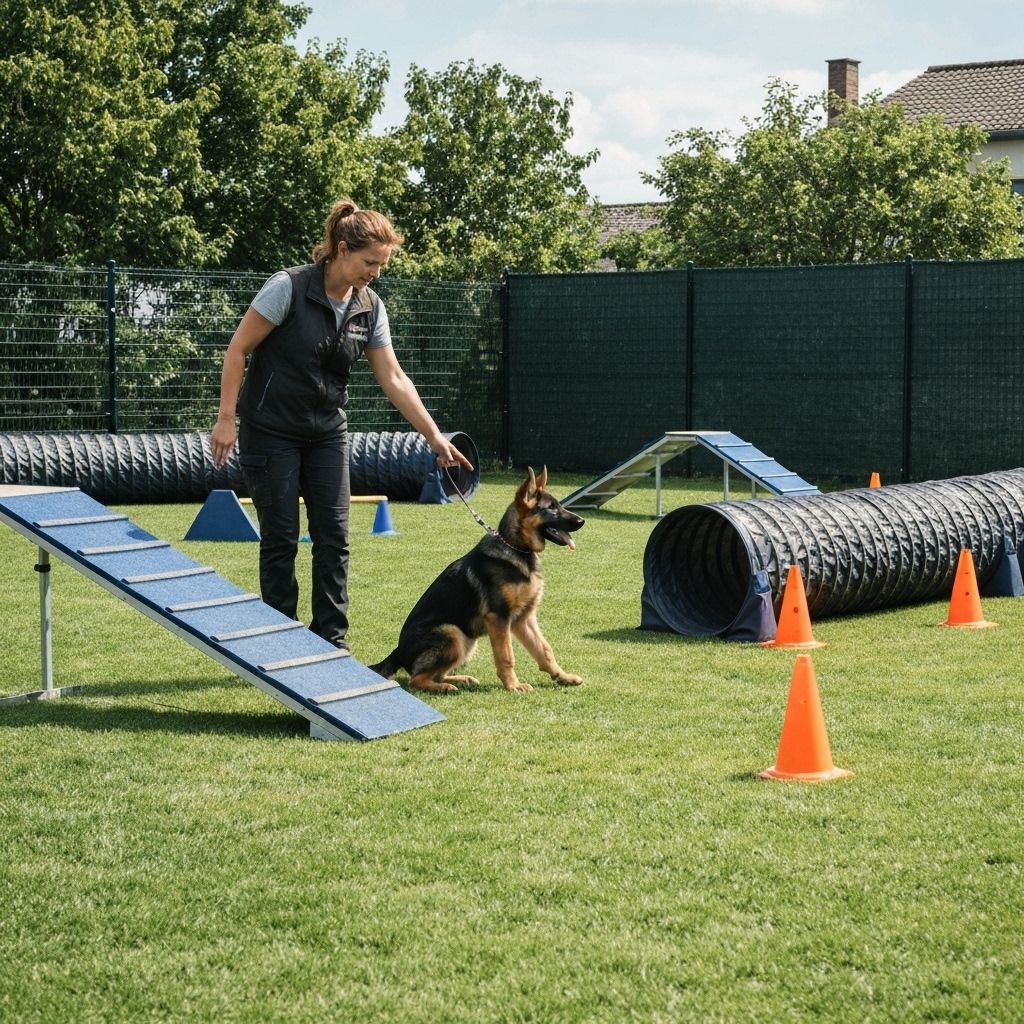
Even experienced trainers can fall into common pitfalls. Avoiding these mistakes will help ensure your training efforts are successful and your puppy develops into a well-behaved companion.
Top Training Mistakes
- Inconsistent commands or rules: When family members use different commands or enforce rules differently, puppies become confused and training progress slows.
- Training sessions that are too long: Puppies have short attention spans. Keep sessions to 5-10 minutes and conduct multiple sessions throughout the day.
- Using punishment-based training methods: Positive reinforcement is far more effective and builds trust between you and your puppy.
- Expecting too much too soon: Puppies learn at different rates. Be patient and celebrate small victories.
- Neglecting socialization: Focusing only on obedience while ignoring socialization can lead to behavioral problems later.
- Inconsistent schedule: Puppies thrive on routine. Maintain consistent feeding, potty, and training times.
Conclusion and Next Steps
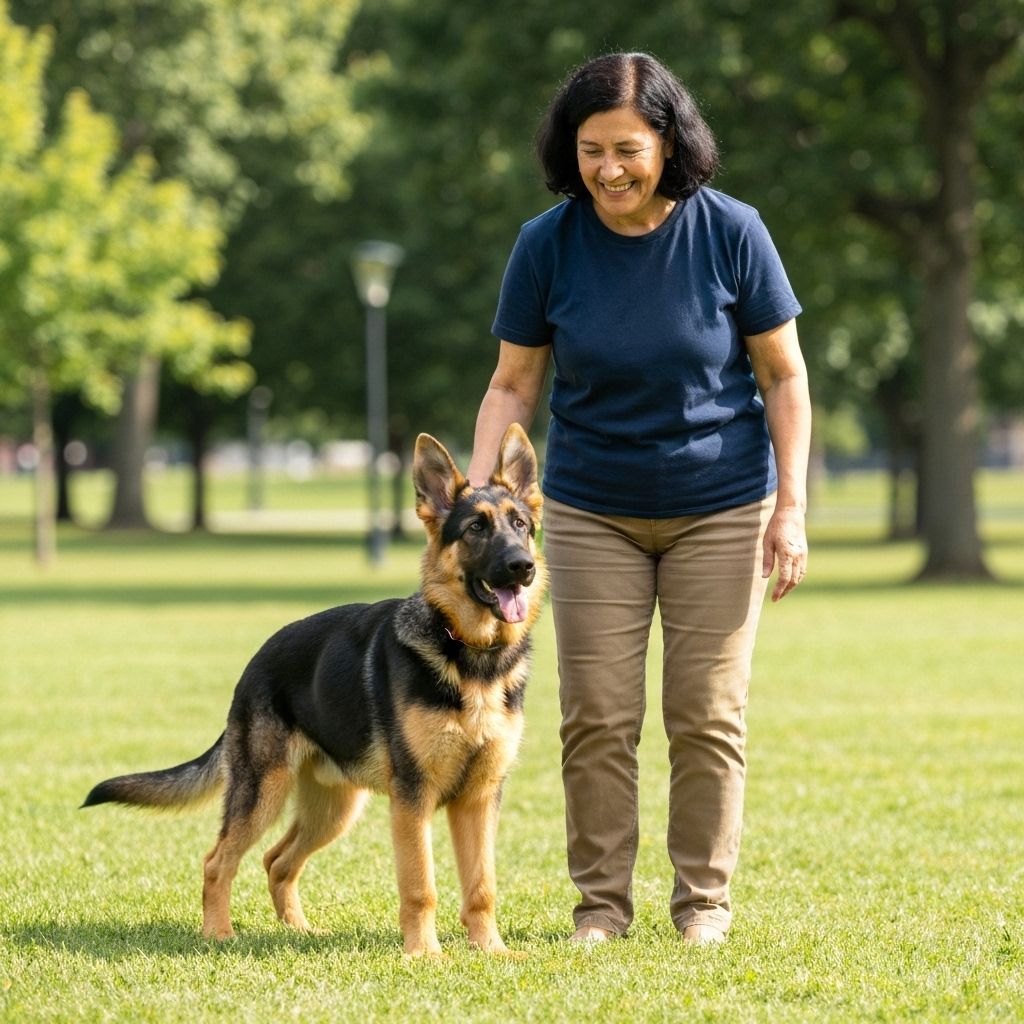
Training your German Shepherd puppy is a journey that requires patience, consistency, and dedication. By starting early with positive reinforcement techniques and proper socialization, you're setting your puppy up for a lifetime of success as a well-behaved, confident companion.
Moving Forward
Remember that every puppy learns at their own pace. Celebrate small victories, stay patient through challenges, and enjoy the process of building a strong bond with your German Shepherd companion. The time and effort you invest in training now will pay dividends throughout your dog's life.
Consider enrolling in a puppy training class for additional guidance and socialization opportunities. Professional trainers can provide personalized advice and help address any specific challenges you may encounter. Continue learning about German Shepherd care, health, and advanced training techniques to ensure your puppy reaches their full potential.
Early Socialization Techniques
Socialization is crucial for German Shepherd puppies. The critical socialization period occurs between 3 and 14 weeks of age, though socialization should continue throughout the first year and beyond. Proper socialization helps prevent behavioral issues and creates a confident, well-adjusted adult dog.
What to Expose Your Puppy To
Expose your puppy to a variety of people, animals, environments, and experiences in a positive, controlled manner. This includes:
Remember to keep all experiences positive and never force your puppy into situations that cause fear or anxiety. Go at their pace and use treats and praise to create positive associations with new experiences. If your puppy shows signs of stress, take a step back and proceed more gradually.