
Grooming Your German Shepherd: A Complete Guide
Master the art of German Shepherd grooming with our comprehensive guide covering brushing techniques, bathing schedules, nail care, and coat maintenance to keep your GSD healthy and beautiful.
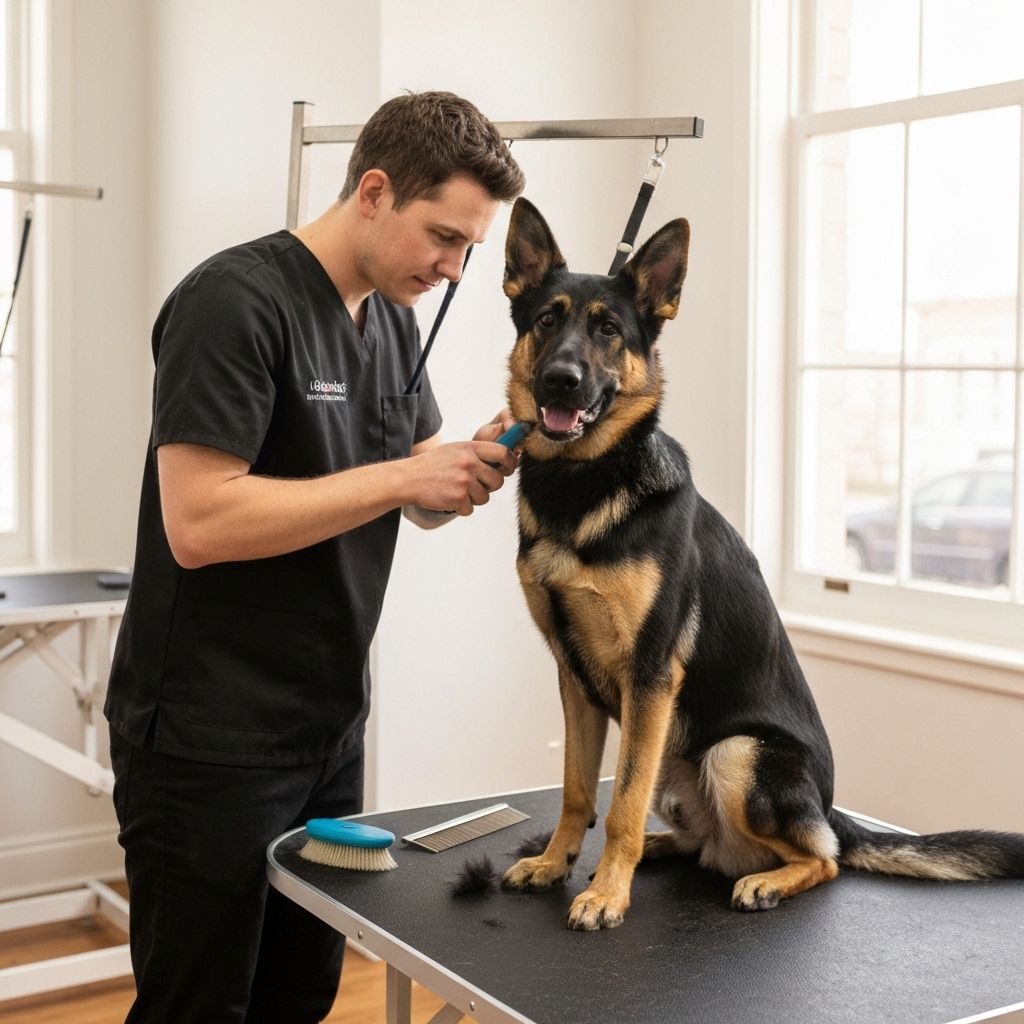
German Shepherds are magnificent dogs with a distinctive double coat that requires regular maintenance to keep them healthy, comfortable, and looking their best. Proper grooming goes beyond aesthetics—it's essential for your dog's overall health, helping prevent skin issues, matting, and excessive shedding while strengthening your bond through regular care routines.
Whether you're a first-time German Shepherd owner or looking to refine your grooming techniques, this comprehensive guide will walk you through everything you need to know about maintaining your GSD's coat, nails, teeth, and overall hygiene. From selecting the right tools to establishing an effective grooming schedule, you'll learn professional techniques that make grooming easier and more effective.
Understanding the German Shepherd Double Coat
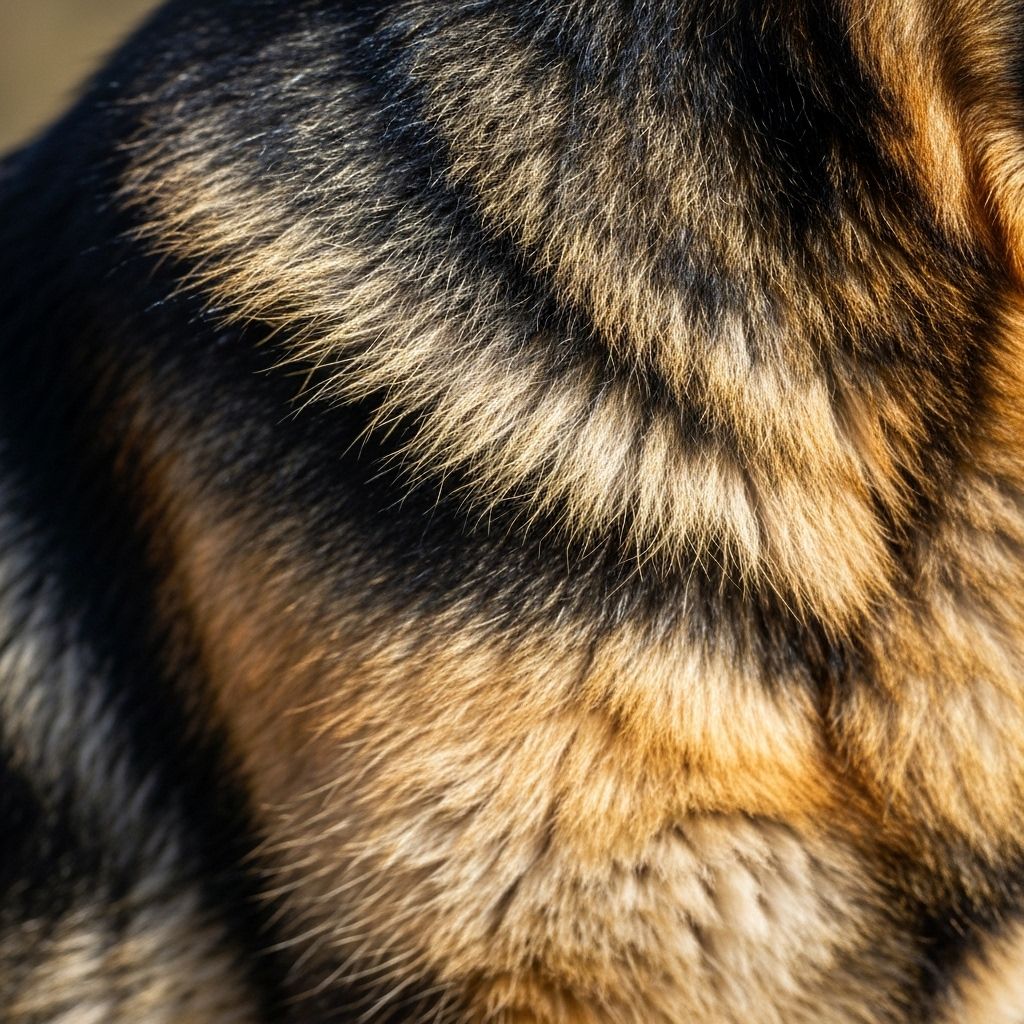
German Shepherds have a unique double coat consisting of two distinct layers that serve different purposes. Understanding this coat structure is crucial for effective grooming and maintaining your dog's comfort throughout the year.
Coat Layers Explained
Outer Coat (Guard Hairs)
- •Dense, straight, and coarse texture that lies close to the body
- •Provides protection from dirt, moisture, and UV rays
- •Gives the German Shepherd its characteristic appearance and color
Undercoat (Soft Layer)
- •Soft, fluffy, and dense layer that provides insulation
- •Regulates body temperature in both hot and cold weather
- •Sheds heavily twice a year during seasonal coat changes
The double coat is a remarkable adaptation that allows German Shepherds to thrive in various climates. However, it also means they shed year-round, with intense shedding periods in spring and fall when they "blow" their coat. Understanding this natural cycle helps you prepare for increased grooming needs during these times.
Essential Grooming Tools for German Shepherds
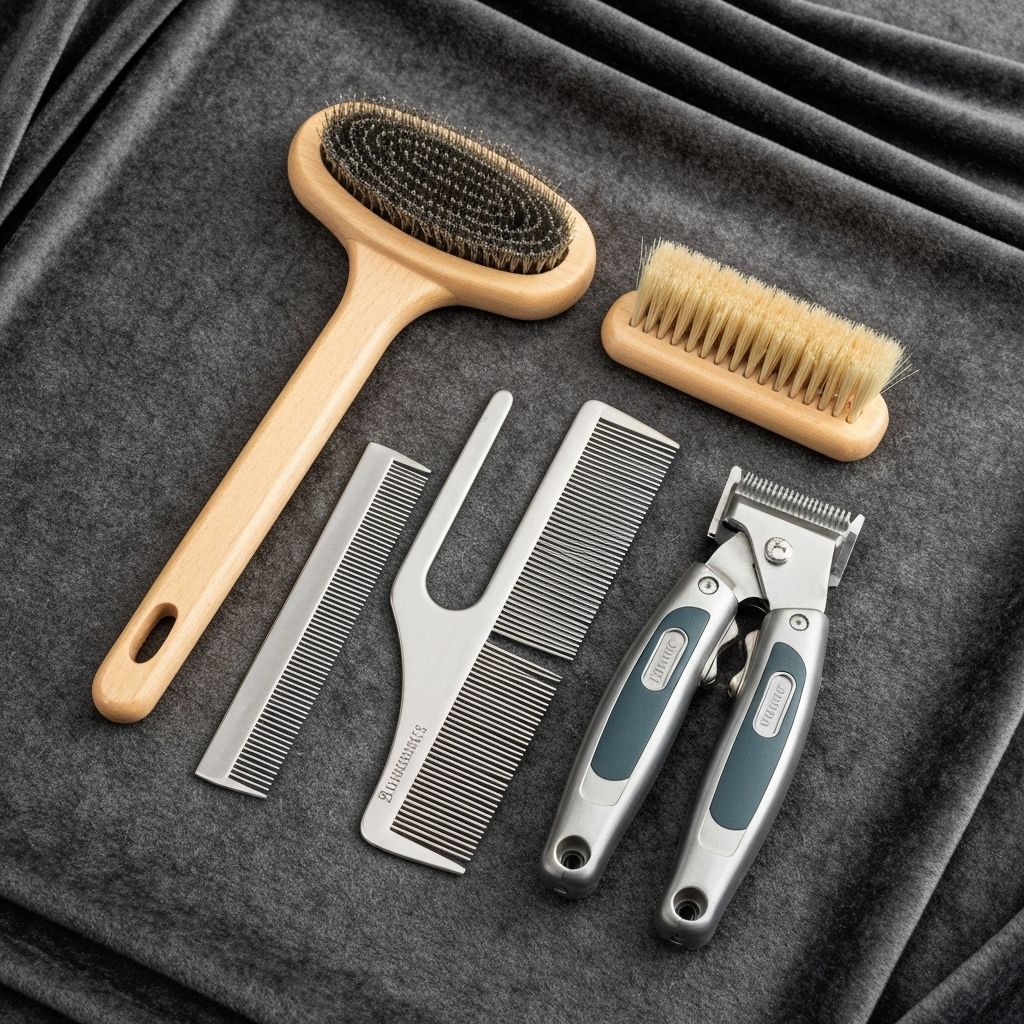
Having the right grooming tools makes a significant difference in effectiveness and your dog's comfort. Invest in quality equipment designed specifically for double-coated breeds to achieve professional results at home.
Must-Have Grooming Equipment
1. Undercoat Rake
The most important tool for German Shepherd grooming. Features long, rotating teeth that penetrate through the outer coat to remove loose undercoat without damaging guard hairs.
Pro tip: Use gentle, short strokes in the direction of hair growth to avoid skin irritation.
2. Slicker Brush
Features fine, bent wire bristles that remove loose fur, detangle minor mats, and smooth the outer coat. Excellent for finishing touches after using the undercoat rake.
Best for: Daily maintenance brushing and removing surface-level loose hair.
3. Pin Brush
Gentle brush with rounded metal pins that work well for general coat maintenance and distributing natural oils throughout the coat for a healthy shine.
When to use: Between deep grooming sessions for quick touch-ups.
4. Nail Clippers or Grinder
Choose between guillotine-style clippers or an electric grinder. Grinders provide more control and reduce the risk of cutting the quick, though some dogs need time to adjust to the noise and vibration.
Safety first: Keep styptic powder on hand to stop bleeding if you accidentally cut too short.
5. Dog-Specific Shampoo and Conditioner
Use pH-balanced formulas designed for dogs, not human products. Look for moisturizing shampoos that won't strip natural oils, and consider oatmeal-based options for sensitive skin.
Avoid: Harsh chemicals, artificial fragrances, and products with sulfates that can dry out the coat.
Additional Helpful Tools
- •Deshedding tool: For heavy shedding seasons
- •Ear cleaning solution: Gentle formula for regular ear maintenance
- •Dog toothbrush and toothpaste: Essential for dental health
- •Grooming table or non-slip mat: Makes grooming safer and more comfortable
- •High-velocity dryer: Speeds up drying and helps remove loose undercoat
Step-by-Step Brushing Techniques
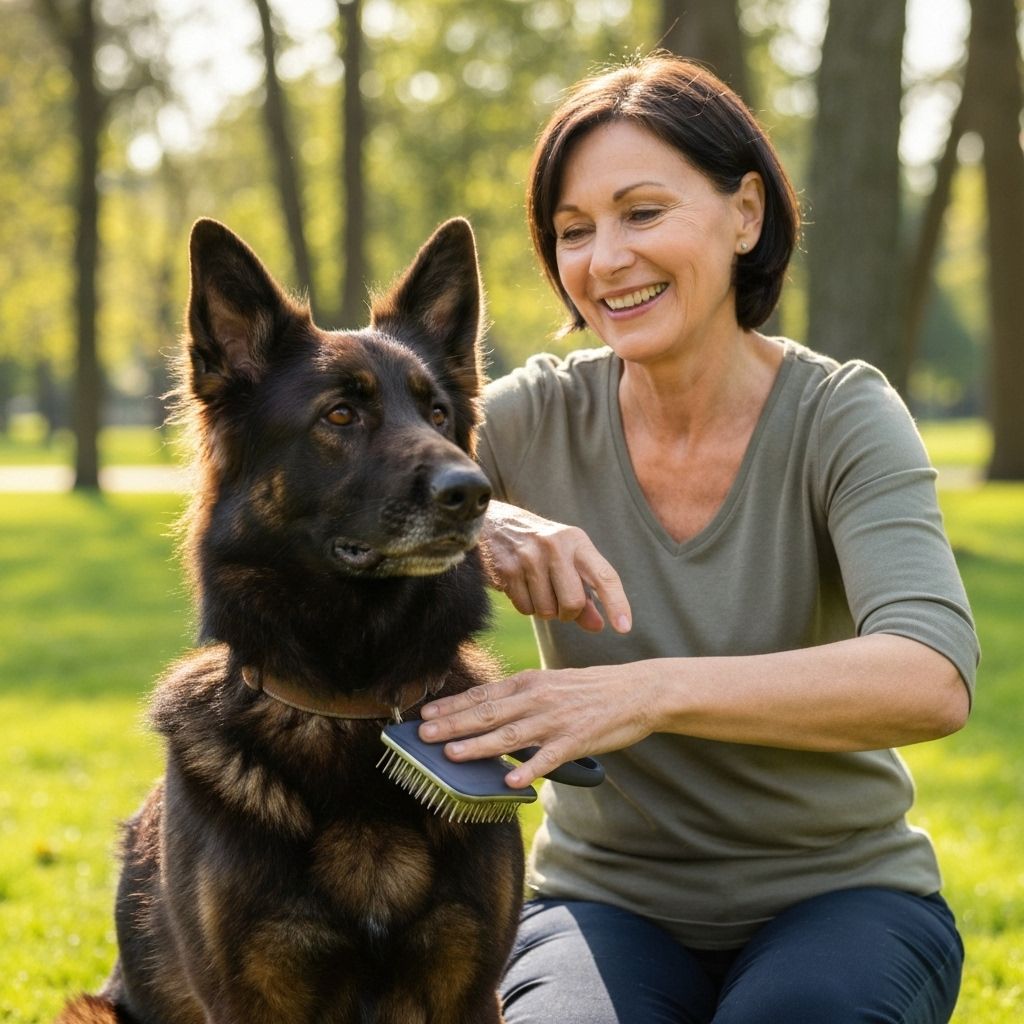
Proper brushing technique is crucial for effectively managing your German Shepherd's coat while keeping them comfortable. Follow this systematic approach for best results.
The Complete Brushing Process
Step 1: Prepare Your Dog
- •Choose a calm, well-lit area with minimal distractions
- •Have your dog stand or lie down in a comfortable position
- •Keep treats nearby to reward calm behavior and create positive associations
Step 2: Start with the Undercoat Rake
- •Begin at the neck and work your way back toward the tail
- •Use gentle, short strokes in the direction of hair growth
- •Pay special attention to areas with thick undercoat: chest, hindquarters, and behind the ears
- •Remove accumulated fur from the rake frequently to maintain effectiveness
Step 3: Follow with the Slicker Brush
- •Brush the entire coat to remove remaining loose hair and smooth the outer layer
- •Use light pressure to avoid scratching the skin
- •Work in sections, ensuring you cover the entire body including legs and tail
Step 4: Finish with the Pin Brush
- •Give the coat a final brush to distribute natural oils and add shine
- •This step also helps you check for any missed areas or tangles
Brushing Frequency Guidelines
- •Normal periods: 2-3 times per week (15-20 minutes per session)
- •Shedding season: Daily brushing (20-30 minutes per session)
- •Quick touch-ups: 5-10 minutes daily with a pin brush
Managing Seasonal Shedding
German Shepherds experience two major shedding periods each year—typically in spring and fall—when they "blow" their undercoat. During these 2-3 week periods, you'll notice significantly increased shedding as your dog transitions between seasonal coats.
Shedding Season Survival Guide
Increase Brushing Frequency
During heavy shedding periods, daily brushing becomes essential. Plan for 20-30 minute sessions using your undercoat rake to remove loose fur before it ends up all over your home.
Consider Professional Grooming
Many owners find it helpful to schedule a professional deshedding treatment at the start of each shedding season. Professional groomers have high-velocity dryers and specialized tools that can remove massive amounts of undercoat in a single session.
Supplement with Omega Fatty Acids
High-quality omega-3 and omega-6 supplements support coat health and can help reduce excessive shedding. Consult your veterinarian about appropriate supplements for your dog.
Maintain a Clean Environment
Invest in a quality vacuum designed for pet hair, use washable furniture covers, and consider designating certain areas of your home as dog-free zones during peak shedding periods.
Important Note:
Never shave your German Shepherd's coat, even during hot weather. The double coat provides insulation that keeps them cool in summer and warm in winter. Shaving disrupts this natural temperature regulation and can lead to sunburn, skin problems, and permanent coat damage.
Bathing Your German Shepherd
While German Shepherds don't require frequent bathing, proper bath technique ensures thorough cleaning without damaging their coat's natural oils. Follow these guidelines for safe, effective bathing.
Optimal Bathing Schedule
- •Regular schedule: Every 6-8 weeks for most dogs
- •As needed: When visibly dirty, smelly, or after swimming in chlorinated water
- •Avoid over-bathing: Too frequent washing strips natural oils, leading to dry, itchy skin
Step-by-Step Bathing Process
1. Pre-Bath Preparation
Brush thoroughly to remove loose fur and tangles. Wet fur mats more easily, so starting with a clean, brushed coat makes bathing more effective.
2. Water Temperature
Use lukewarm water—not too hot or cold. Test the temperature on your wrist before wetting your dog.
3. Thorough Wetting
Completely saturate the coat down to the skin. The dense double coat can repel water, so take your time ensuring the undercoat is fully wet.
4. Shampoo Application
Dilute shampoo with water for easier application and better distribution. Work the shampoo into a lather, massaging it through both coat layers. Avoid getting shampoo in eyes and ears.
5. Thorough Rinsing
Rinse completely until water runs clear. Leftover shampoo residue can cause skin irritation and dull the coat. This step often takes longer than shampooing.
6. Conditioning (Optional)
Apply conditioner to add moisture and shine, especially beneficial for dogs with dry skin or during winter months. Rinse thoroughly.
7. Drying
Towel dry thoroughly, then allow air drying or use a high-velocity dryer on a cool setting. The thick undercoat can take hours to air dry completely, so ensure your dog stays warm during the drying process.
Nail Care and Paw Maintenance
Regular nail trimming is essential for your German Shepherd's comfort and mobility. Overgrown nails can cause pain, affect gait, and lead to joint problems over time.
Nail Trimming Guidelines
Frequency
Trim nails every 3-4 weeks, or when you hear clicking on hard floors. Active dogs who walk on pavement may naturally wear down their nails and require less frequent trimming.
Technique
- •Hold the paw firmly but gently, extending the nail by pressing on the pad
- •Cut at a 45-degree angle, removing small amounts at a time
- •Stop before reaching the quick (the pink area inside the nail containing blood vessels)
- •For black nails where the quick isn't visible, trim conservatively and watch for a gray or pink oval in the center of the cut surface
Paw Pad Care
- •Check pads regularly for cuts, cracks, or foreign objects
- •Trim hair between paw pads to prevent matting and ice ball formation in winter
- •Apply paw balm in extreme weather to protect against hot pavement or ice-melting chemicals
Ear and Dental Care
Complete grooming includes maintaining your German Shepherd's ears and teeth. These often-overlooked areas are crucial for overall health and comfort.
Ear Cleaning
German Shepherds' upright ears generally stay cleaner than floppy-eared breeds, but regular checks and occasional cleaning prevent infections.
Cleaning Process
- •Check ears weekly for redness, odor, or excessive wax buildup
- •Use a veterinarian-approved ear cleaning solution, never water or alcohol
- •Apply solution to a cotton ball and gently wipe the visible parts of the ear
- •Never insert anything into the ear canal—clean only what you can see
Warning Signs:
Contact your veterinarian if you notice persistent odor, excessive scratching, head shaking, redness, swelling, or discharge. These may indicate an ear infection requiring medical treatment.
Dental Care
Dental disease affects over 80% of dogs by age three. Regular teeth brushing prevents plaque buildup, gum disease, and associated health problems.
Brushing Routine
- •Frequency: Ideally daily, minimum 2-3 times per week
- •Tools: Use a dog-specific toothbrush and toothpaste (never human toothpaste, which is toxic to dogs)
- •Technique: Focus on the outer surfaces of teeth where plaque accumulates most
- •Introduction: Start slowly with finger brushing and gradually transition to a toothbrush
Additional Dental Care
- •Provide dental chews approved by the Veterinary Oral Health Council (VOHC)
- •Schedule professional dental cleanings as recommended by your veterinarian
- •Monitor for signs of dental problems: bad breath, difficulty eating, or visible tartar buildup
Common Grooming Mistakes to Avoid
Even well-intentioned owners can make grooming mistakes that compromise their dog's coat health and comfort. Avoid these common pitfalls for better grooming results.
✗ Shaving the Coat
Never shave a German Shepherd's double coat. It disrupts natural temperature regulation, can cause permanent coat damage, and increases risk of sunburn and skin problems. The coat grows back differently and may never return to its original texture.
✗ Over-Bathing
Bathing too frequently strips natural oils, leading to dry, itchy skin and a dull coat. Stick to the 6-8 week schedule unless your dog gets particularly dirty. Between baths, spot-clean muddy paws or dirty areas rather than giving full baths.
✗ Using Human Products
Human shampoos, conditioners, and toothpaste have different pH levels and may contain ingredients toxic to dogs. Always use products specifically formulated for canine use.
✗ Brushing Too Aggressively
Harsh brushing can cause brush burn—painful skin irritation from excessive friction. Use gentle pressure and let the tools do the work. If your dog shows signs of discomfort, ease up on pressure or take a break.
✗ Neglecting Regular Maintenance
Inconsistent grooming leads to matting, excessive shedding, and potential skin problems. Establish a regular routine and stick to it. Short, frequent grooming sessions are more effective and less stressful than infrequent marathon sessions.
✗ Cutting Nails Too Short
Cutting into the quick causes pain and bleeding, making future nail trims stressful for your dog. Trim conservatively, removing small amounts at a time. If you're unsure, consult a professional groomer or veterinarian for guidance.
Creating a Positive Grooming Experience
Making grooming enjoyable for your German Shepherd ensures cooperation and reduces stress for both of you. Start early and use positive reinforcement to build good associations.
Tips for Stress-Free Grooming
- •Start young: Introduce grooming routines during puppyhood when dogs are most adaptable
- •Keep sessions short: Multiple brief sessions are better than one long, stressful marathon
- •Use high-value treats: Reward calm behavior and cooperation throughout the grooming process
- •Stay calm: Dogs pick up on your energy—remain patient and positive even if challenges arise
- •End on a positive note: Always finish grooming sessions with something your dog enjoys
- •Practice handling: Regularly touch paws, ears, and mouth outside of grooming to desensitize your dog
Conclusion
Proper grooming is an essential aspect of German Shepherd ownership that goes far beyond maintaining appearances. Regular brushing, bathing, nail care, and dental maintenance keep your dog healthy, comfortable, and looking their magnificent best while strengthening the bond between you.
By investing in quality grooming tools, establishing consistent routines, and using positive reinforcement techniques, you'll make grooming an enjoyable experience for both you and your German Shepherd. Remember that every dog is unique—adjust these guidelines based on your individual dog's coat type, activity level, and personal needs.
Start implementing these grooming practices today, and you'll soon see the benefits in your German Shepherd's coat quality, overall health, and happiness. With patience and consistency, grooming will become a cherished bonding time that both you and your loyal companion look forward to.