
Best Diet Plans for German Shepherds: Complete Nutrition Guide 2025
Discover optimal nutrition plans for German Shepherds at every life stage. Expert-backed feeding guidelines, portion sizes, and dietary recommendations for puppies, adults, and seniors.
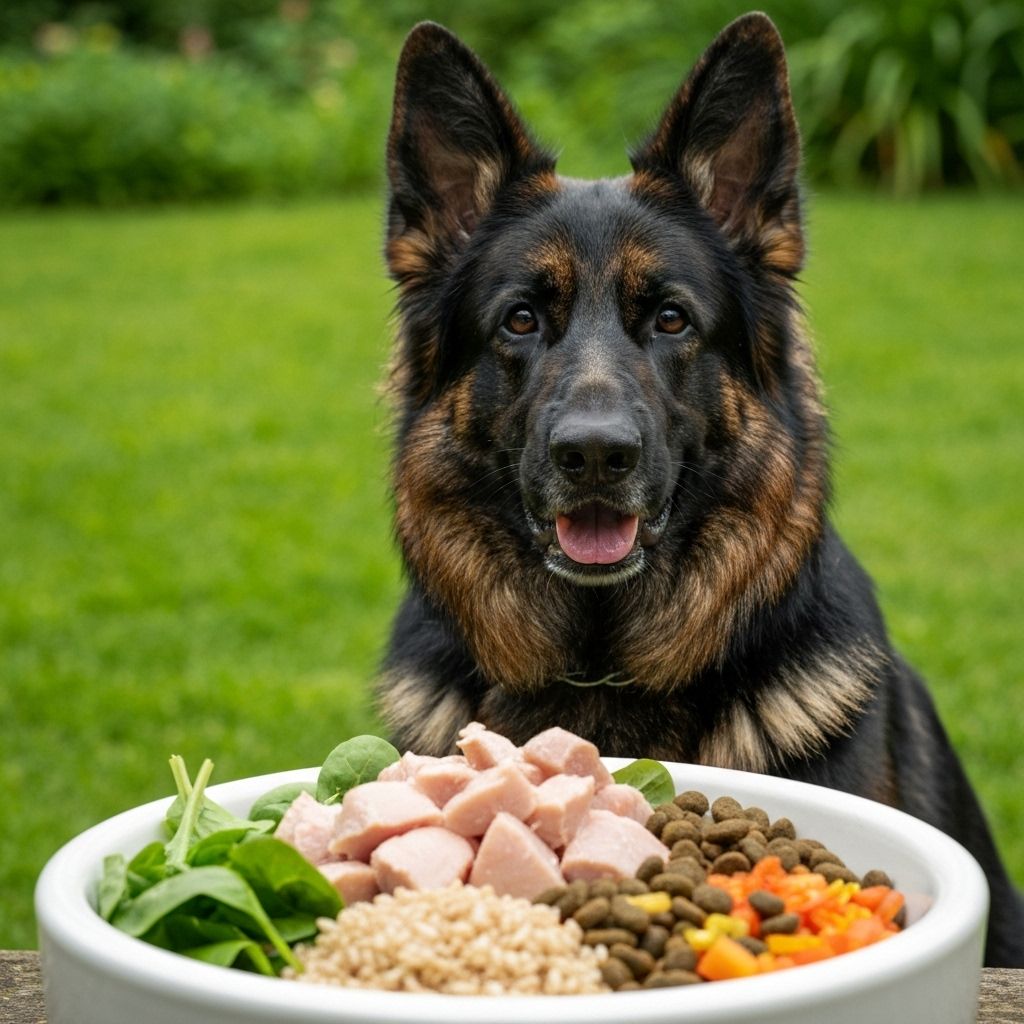
German Shepherds are active, intelligent dogs with specific nutritional needs that change throughout their lives. Providing the right diet is crucial for maintaining their energy levels, supporting joint health, and preventing common breed-specific health issues like hip dysplasia and bloat.
This comprehensive guide covers everything you need to know about feeding your German Shepherd, including portion sizes, meal frequency, ingredient quality, and special dietary considerations for different life stages.
Understanding German Shepherd Nutritional Needs
German Shepherds are large, athletic dogs that require a balanced diet rich in high-quality protein, healthy fats, and essential nutrients. Their nutritional requirements differ significantly from smaller breeds due to their size, activity level, and predisposition to certain health conditions.
Essential Macronutrients for German Shepherds
- •Protein (22-26% for adults, 28-30% for puppies):
High-quality animal proteins from chicken, beef, lamb, or fish support muscle development and maintenance. Look for whole meat sources listed as the first ingredient.
- •Fat (12-15%):
Essential fatty acids like omega-3 and omega-6 support coat health, brain function, and reduce inflammation. Sources include fish oil, flaxseed, and chicken fat.
- •Carbohydrates (30-40%):
Complex carbohydrates from sweet potatoes, brown rice, and oats provide sustained energy. Avoid foods with excessive corn, wheat, or soy fillers.
- •Fiber (3-5%):
Supports digestive health and helps prevent bloat, a serious concern for German Shepherds. Sources include pumpkin, beet pulp, and vegetables.
Life Stage-Specific Diet Plans
Puppy Diet Plan (8 Weeks - 12 Months)
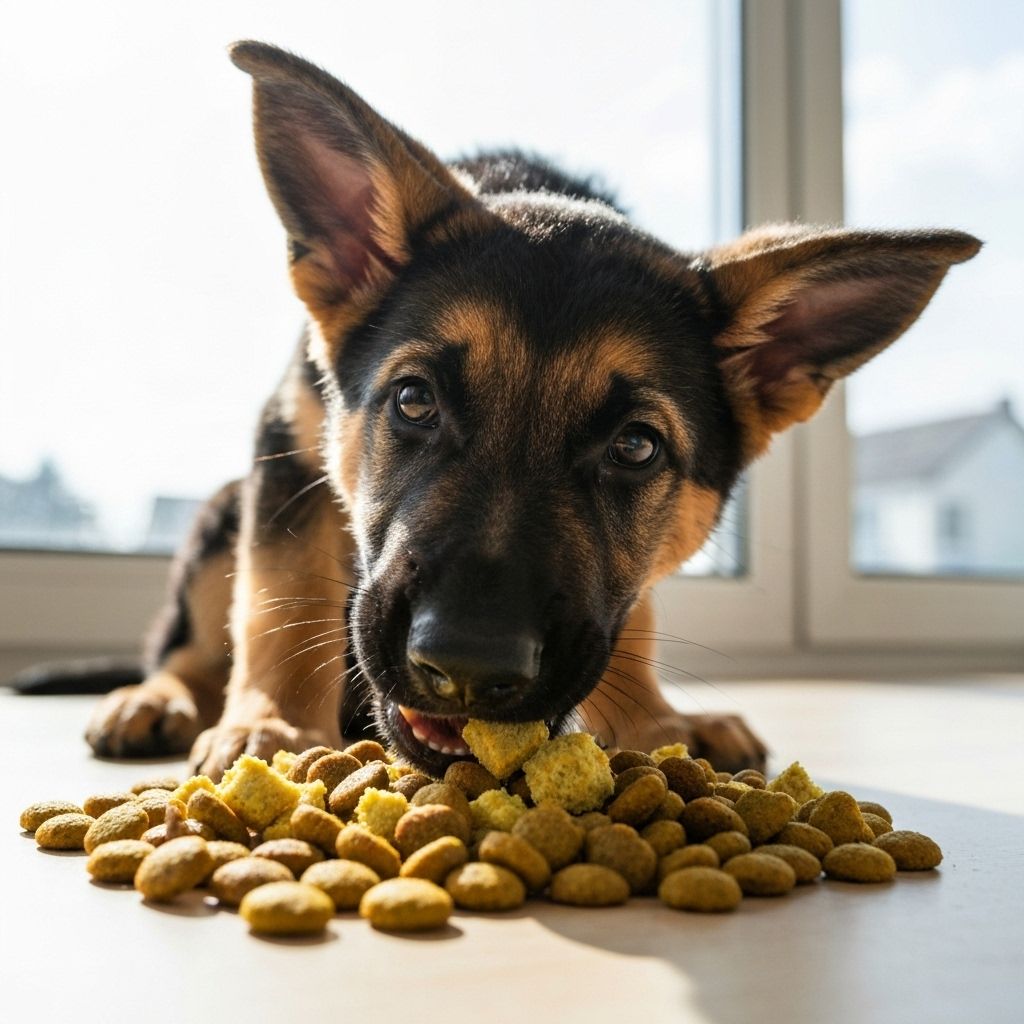
German Shepherd puppies experience rapid growth and require nutrient-dense food specifically formulated for large breed puppies. Proper nutrition during this critical period prevents developmental orthopedic diseases and supports healthy bone and joint formation.
Puppy Feeding Guidelines:
- →8-12 weeks: 4 meals per day, ½ to 1 cup per meal
- →3-6 months: 3 meals per day, 1 to 1.5 cups per meal
- →6-12 months: 2 meals per day, 1.5 to 2 cups per meal
- →Protein content: 28-30% from high-quality animal sources
- →Calcium: 1.0-1.5% (controlled to prevent rapid growth)
- →Calories: 1,500-2,000 per day depending on activity level
Adult Diet Plan (1-7 Years)
Adult German Shepherds need a balanced diet that maintains their ideal weight, supports their active lifestyle, and promotes joint health. The focus shifts from growth to maintenance and disease prevention.
Adult Feeding Guidelines:
- →Meal frequency: 2 meals per day (morning and evening)
- →Portion size: 2.5 to 3.5 cups per day total (split between meals)
- →Protein content: 22-26% from quality animal sources
- →Fat content: 12-15% for optimal energy and coat health
- →Calories: 1,700-2,400 per day based on activity level
- →Supplements: Glucosamine and chondroitin for joint support
Senior Diet Plan (7+ Years)
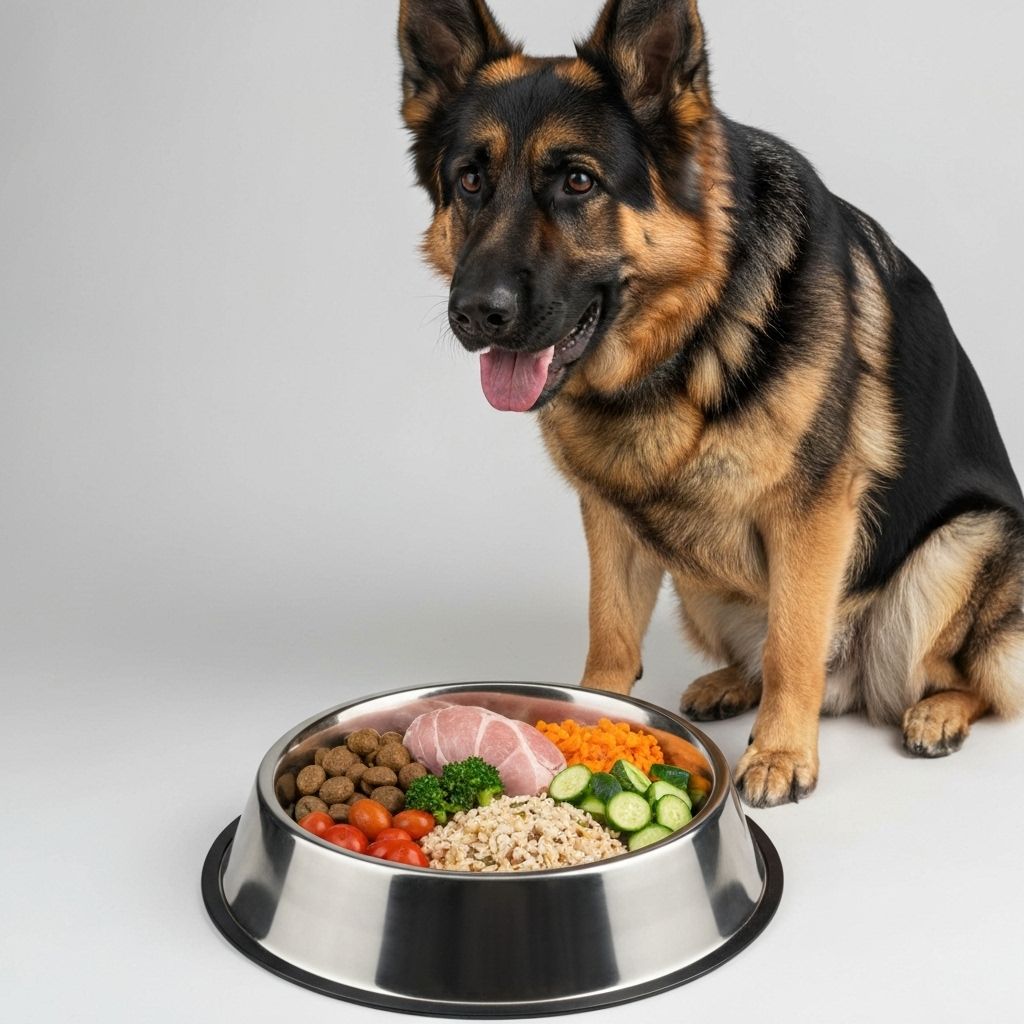
Senior German Shepherds have different nutritional needs as their metabolism slows and activity levels decrease. The focus is on maintaining muscle mass, supporting joint health, and managing weight to reduce stress on aging joints.
Senior Feeding Guidelines:
- →Meal frequency: 2 meals per day (smaller portions)
- →Portion size: 2 to 3 cups per day total (adjust for weight)
- →Protein content: 20-24% (high-quality, easily digestible)
- →Fat content: 10-12% (lower to prevent weight gain)
- →Calories: 1,300-1,700 per day (reduced for lower activity)
- →Special needs: Enhanced joint support, antioxidants, easier-to-chew kibble
Choosing the Right Dog Food
The quality of your German Shepherd's food directly impacts their health, energy levels, and longevity. Understanding how to read dog food labels and identify high-quality ingredients is essential for making informed decisions.
What to Look For in Quality Dog Food
✓Good Ingredients
- • Named meat sources (chicken, beef, salmon)
- • Whole grains (brown rice, oats, barley)
- • Vegetables and fruits
- • Named fat sources (chicken fat, fish oil)
- • Glucosamine and chondroitin
- • Probiotics for digestion
- • Natural preservatives (vitamin E, C)
✗Ingredients to Avoid
- • Generic meat by-products
- • Corn, wheat, soy as primary ingredients
- • Artificial colors and flavors
- • BHA, BHT, ethoxyquin preservatives
- • Excessive fillers and carbohydrates
- • Rendered fats (unspecified sources)
- • Propylene glycol
Dry Kibble vs. Wet Food vs. Raw Diet
Dry Kibble (Most Popular)
Convenient, cost-effective, and helps maintain dental health through mechanical cleaning action.
- • Long shelf life
- • Affordable
- • Dental benefits
- • Easy portion control
- • Lower moisture content
- • May contain more preservatives
- • Less palatable for picky eaters
Wet Food (Canned)
Higher moisture content and palatability, often used as a supplement or for dogs with dental issues.
- • High moisture content (hydration)
- • More palatable
- • Easier to digest
- • Good for seniors
- • More expensive
- • Shorter shelf life once opened
- • No dental benefits
- • Messier to serve
Raw Diet (BARF - Biologically Appropriate Raw Food)
Consists of raw meat, bones, organs, and vegetables. Requires careful planning and veterinary consultation.
- • Natural, unprocessed
- • Improved coat condition
- • Better dental health
- • Higher digestibility
- • Risk of bacterial contamination
- • Time-consuming preparation
- • Expensive
- • Requires nutritional knowledge
Special Dietary Considerations
Managing Food Allergies and Sensitivities
German Shepherds can develop food allergies or sensitivities, typically to proteins like chicken, beef, dairy, or grains. Common symptoms include itchy skin, ear infections, digestive upset, and excessive licking.
Signs of Food Allergies:
- •Chronic ear infections
- •Itchy, red, or inflamed skin
- •Excessive paw licking
- •Vomiting or diarrhea
- •Hair loss or hot spots
- •Chronic gas or bloating
If you suspect food allergies, consult your veterinarian about an elimination diet. This involves feeding a limited ingredient diet with a novel protein source (like duck, venison, or fish) for 8-12 weeks to identify the allergen.
Preventing Bloat (Gastric Dilatation-Volvulus)
German Shepherds are at higher risk for bloat, a life-threatening condition where the stomach fills with gas and twists. Dietary management plays a crucial role in prevention.
Bloat Prevention Strategies:
- →Feed 2-3 smaller meals instead of one large meal
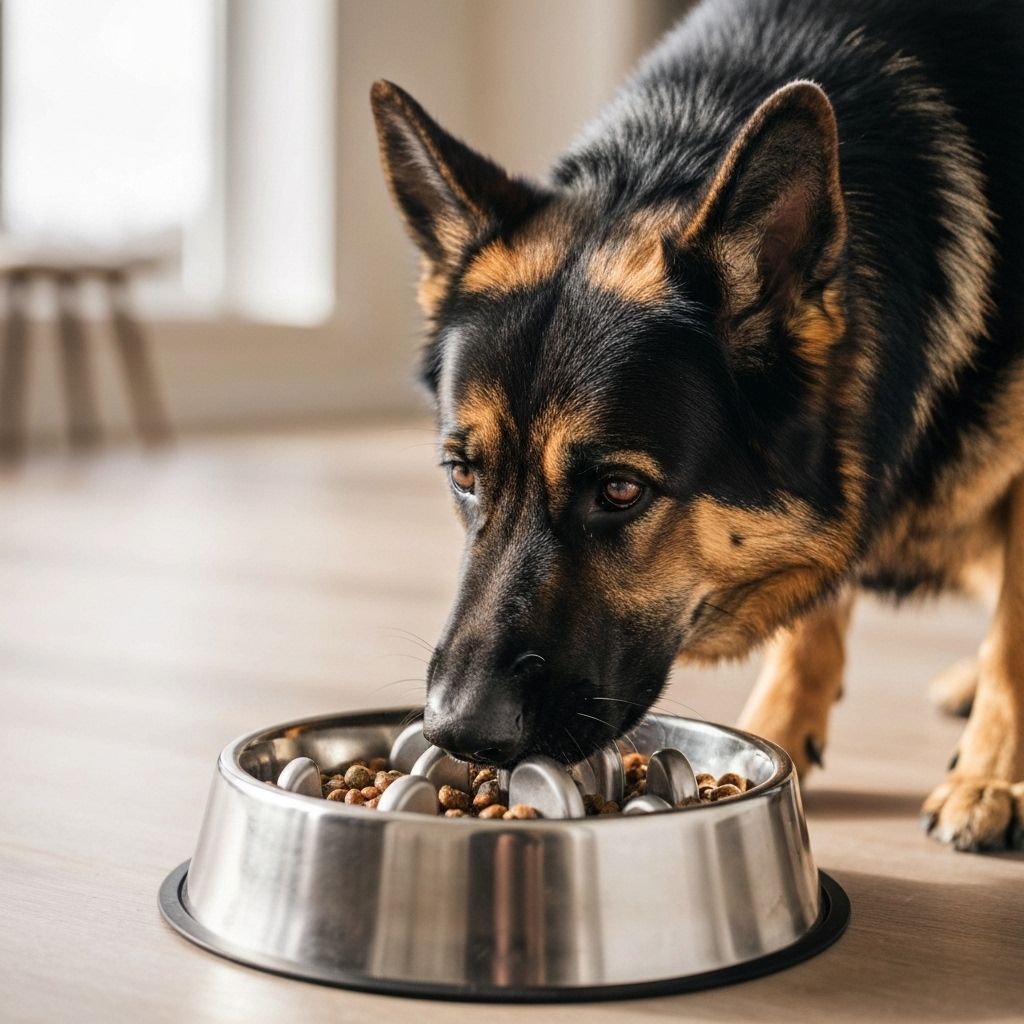
- →Use a slow-feed bowl to prevent rapid eating
- →Avoid exercise 1 hour before and 2 hours after meals
- →Don't elevate food bowls (contrary to popular belief)
- →Avoid foods with fat or oil in the first four ingredients
- →Keep stress levels low during feeding time
Weight Management for German Shepherds
Maintaining an ideal weight is crucial for German Shepherds, especially to reduce stress on their hips and joints. Obesity significantly increases the risk of hip dysplasia, arthritis, and other health problems.
Ideal Weight Guidelines:
- •Adult males: 65-90 pounds (30-40 kg)
- •Adult females: 50-70 pounds (22-32 kg)
- •Body condition: Ribs should be easily felt but not visible, with a visible waist when viewed from above
If your German Shepherd is overweight, reduce daily calories by 10-15%, increase exercise gradually, and eliminate table scraps and excessive treats. Consult your veterinarian for a safe weight loss plan.
Supplements for Optimal Health
While a high-quality diet should provide most nutrients, certain supplements can benefit German Shepherds, especially for joint health, coat condition, and digestive support.
Joint Support Supplements
- •Glucosamine & Chondroitin: Supports cartilage health and reduces joint inflammation
- •MSM: Natural anti-inflammatory for joint pain relief
- •Omega-3 Fatty Acids: Reduces inflammation and supports joint mobility
Digestive Health Supplements
- •Probiotics: Supports healthy gut bacteria and digestion
- •Digestive Enzymes: Helps break down food for better nutrient absorption
- •Pumpkin: Natural fiber source for digestive regularity
Coat & Skin Health
- •Fish Oil: Omega-3s for shiny coat and healthy skin
- •Biotin: Supports coat growth and reduces shedding
- •Vitamin E: Antioxidant for skin health
Immune System Support
- •Antioxidants: Vitamins C and E for immune function
- •Colostrum: Natural immune system booster
- •Turmeric: Anti-inflammatory and immune support
Important: Always consult your veterinarian before adding supplements to your German Shepherd's diet. Over-supplementation can be harmful, and some supplements may interact with medications.
Common Feeding Mistakes to Avoid
1. Overfeeding and Free-Feeding
Leaving food out all day leads to obesity and makes it difficult to monitor appetite changes. Stick to scheduled meal times with measured portions.
2. Sudden Diet Changes
Abrupt food changes cause digestive upset. Transition gradually over 7-10 days by mixing increasing amounts of new food with the old.
3. Too Many Treats
Treats should comprise no more than 10% of daily calories. Excessive treats lead to weight gain and nutritional imbalances.
4. Feeding Table Scraps
Human food is often too fatty, salty, or contains ingredients toxic to dogs (onions, garlic, grapes, chocolate). Stick to dog-appropriate foods.
5. Ignoring Individual Needs
Every German Shepherd is unique. Adjust portions based on your dog's activity level, metabolism, and body condition rather than following package guidelines blindly.
6. Not Providing Fresh Water
German Shepherds need constant access to clean, fresh water, especially when eating dry kibble. Change water at least twice daily.
Conclusion: Building a Healthy Diet Plan
Proper nutrition is the foundation of your German Shepherd's health, longevity, and quality of life. By understanding their unique nutritional needs at each life stage and choosing high-quality food with appropriate ingredients, you can help prevent common health issues and ensure your GSD thrives.
Key Takeaways:
- ✓Choose high-quality dog food with named meat sources as the first ingredient and appropriate protein levels for your dog's life stage
- ✓Feed puppies 3-4 times daily, adults twice daily, and adjust portions based on activity level and body condition
- ✓Prevent bloat by feeding smaller meals, using slow-feed bowls, and avoiding exercise around meal times
- ✓Consider joint support supplements (glucosamine, omega-3s) starting in adulthood to prevent hip and joint issues
- ✓Monitor weight regularly and adjust portions to maintain ideal body condition throughout your dog's life
- ✓Consult your veterinarian for personalized dietary recommendations, especially if your German Shepherd has health issues or allergies
Remember that every German Shepherd is an individual with unique needs. What works perfectly for one dog may need adjustment for another. Pay attention to your dog's energy levels, coat condition, stool quality, and overall health as indicators of whether their diet is meeting their needs.
For more information on keeping your German Shepherd healthy, explore our comprehensive guides on health and wellness, training techniques, and daily care routines.