
Choosing the Right German Shepherd Puppy: Expert Selection Guide
Choosing a German Shepherd puppy is one of the most important decisions you'll make as a dog owner. The right puppy choice sets the foundation for 10-14 years of companionship, and making an informed decision now can prevent heartache and challenges later. This comprehensive guide will walk you through everything you need to know about selecting a healthy, well-bred German Shepherd puppy from a reputable source.
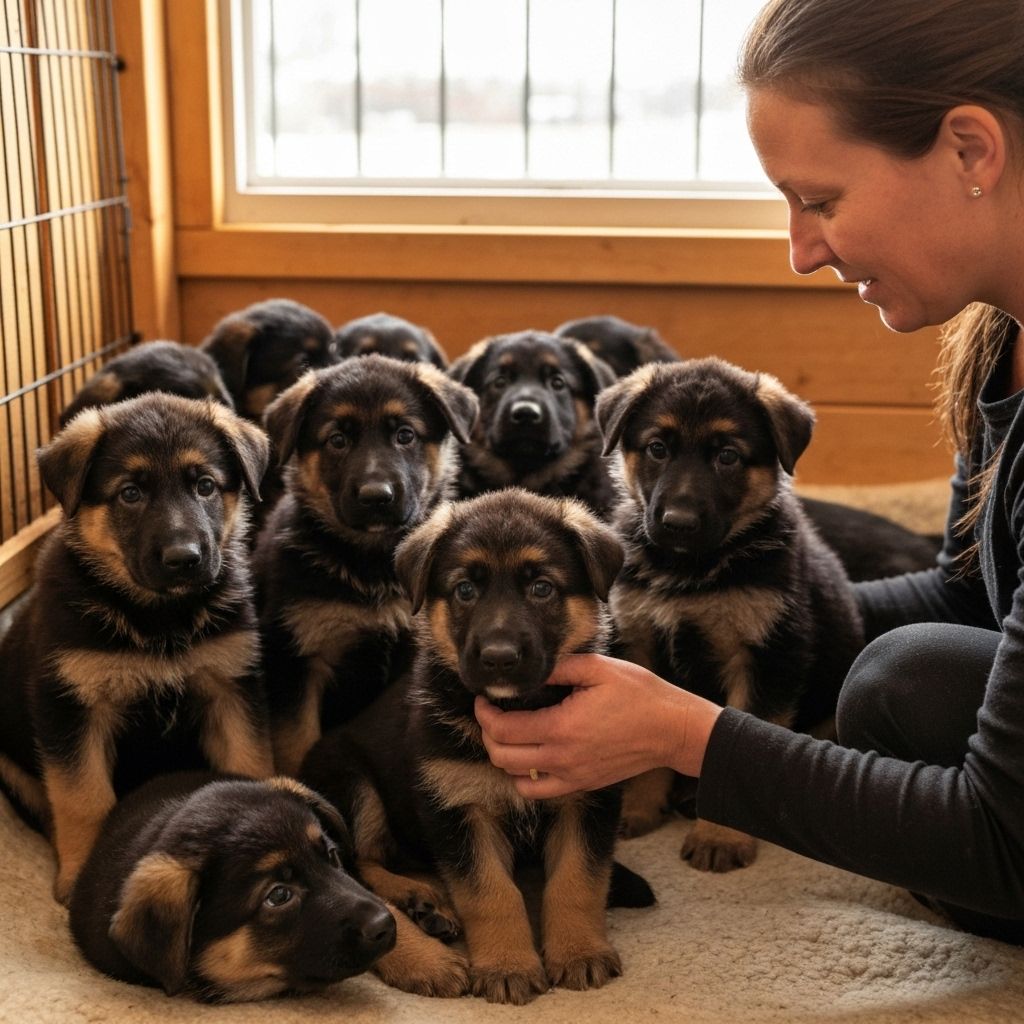
Why Breeder Selection Matters More Than You Think
The breeder you choose is just as important as the puppy itself. A responsible breeder doesn't just produce puppies—they're dedicated to improving the breed, ensuring genetic health, and providing proper early socialization. The difference between a well-bred puppy from health-tested parents and one from a backyard breeder or puppy mill can mean the difference between a healthy, stable companion and years of expensive health and behavioral problems.
💡 Key Insight
Investing time in finding a reputable breeder is the single most important step in getting a healthy German Shepherd. A good breeder will cost more upfront but can save you thousands in veterinary bills and heartache over your dog's lifetime.
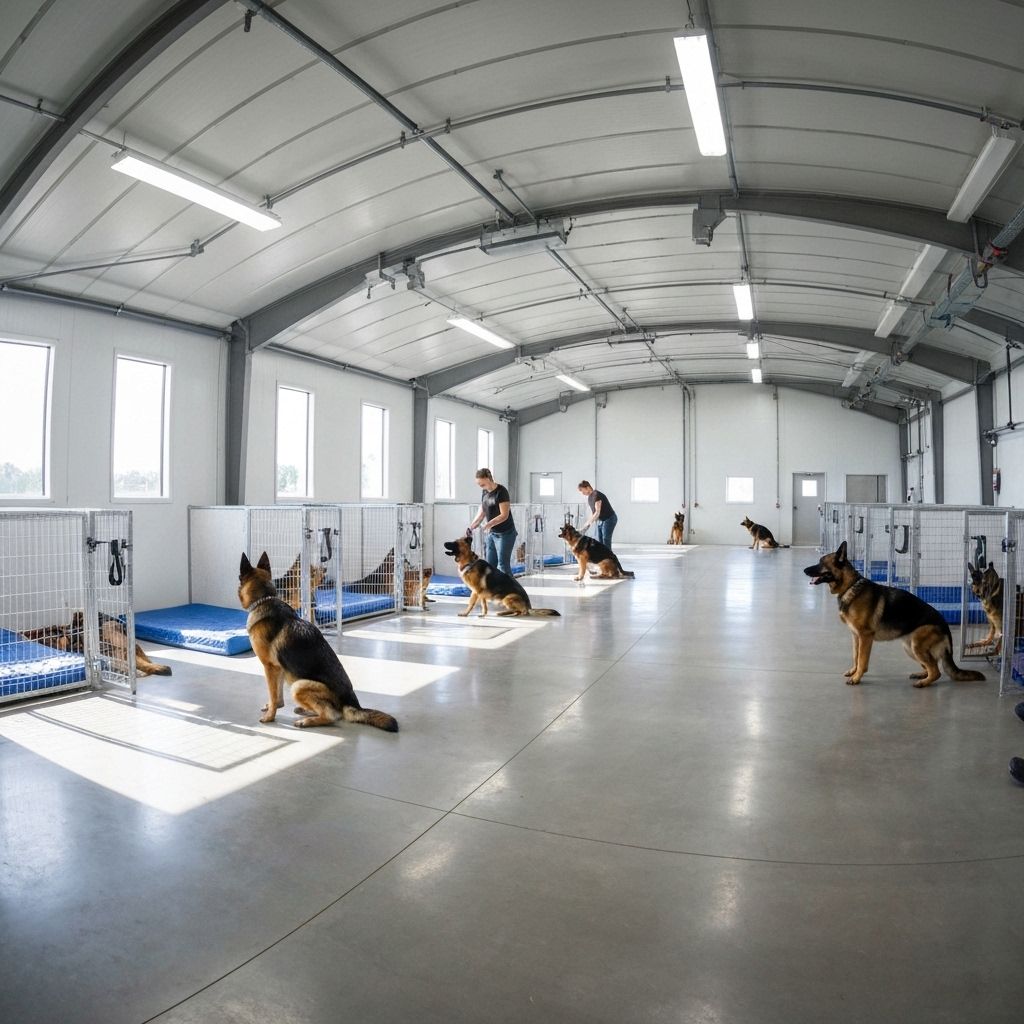
Finding a Reputable German Shepherd Breeder
Red Flags to Avoid
⚠️ Warning Signs of Irresponsible Breeders:
- • Always have puppies available or multiple litters at once
- • Won't let you visit their facility or meet the parents
- • Can't provide health clearances for breeding dogs
- • Offer to meet you in a parking lot or ship puppies sight unseen
- • Breed dogs under 2 years old or over 8 years old
- • Don't ask you questions about your lifestyle and experience
- • Advertise on classified sites or pet stores
- • Offer "rare" colors or sizes at premium prices
What Responsible Breeders Do
- ✓Health test all breeding dogs for hip dysplasia (OFA/PennHIP), elbow dysplasia, and genetic conditions like DM
- ✓Welcome facility visits and encourage you to meet both parents (or at least the mother)
- ✓Ask detailed questions about your lifestyle, experience, and plans for the puppy
- ✓Provide a written contract with health guarantees and spay/neuter requirements
- ✓Offer lifetime support and will take the dog back if circumstances change
- ✓Socialize puppies from birth using proven protocols like Puppy Culture or ENS
- ✓Breed for purpose whether working, show, or companion lines with clear goals
Where to Find Reputable Breeders
- German Shepherd Dog Club of America (GSDCA): Breeder referral directory
- American Kennel Club (AKC): Marketplace with breeder listings
- Local GSD clubs: Regional breed clubs often maintain breeder directories
- Dog shows and events: Meet breeders in person and see their dogs
- Veterinarian referrals: Vets often know reputable local breeders

Understanding German Shepherd Bloodlines
German Shepherds have been bred for different purposes over the decades, resulting in distinct bloodlines with different characteristics. Understanding these differences helps you choose a puppy that matches your lifestyle and expectations.
Working Lines
Characteristics: High drive, intense focus, athletic build, strong work ethic
Best for: Active owners, sport dog competitors, working roles (police, military, SAR)
Exercise needs: 2-3 hours daily of physical and mental stimulation
Show Lines (American)
Characteristics: Calmer temperament, more angulated rear, flowing movement, family-friendly
Best for: Families, first-time GSD owners, companion dogs, show competition
Exercise needs: 1-2 hours daily of moderate activity
Show Lines (German)
Characteristics: Balanced between working and American show lines, strong nerves, versatile
Best for: Active families, versatile companions, international show competition
Exercise needs: 1.5-2 hours daily of varied activity
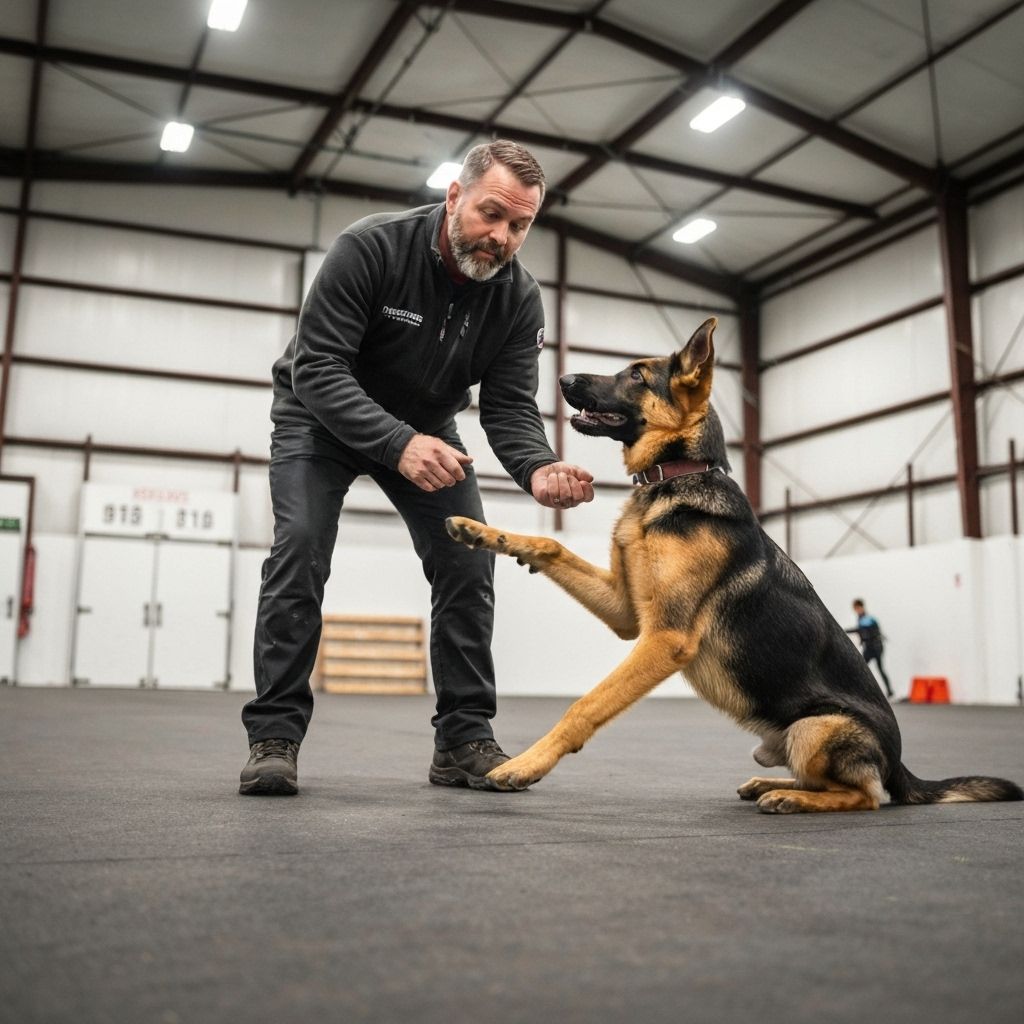
Evaluating Puppy Temperament
While genetics play a major role, individual puppies within a litter can have different personalities. Observing and testing puppies helps you find the right match for your household.
What to Observe
- •Confidence level: Does the puppy approach you readily or hang back?
- •Social behavior: How does the puppy interact with littermates?
- •Response to handling: Is the puppy comfortable being picked up and touched?
- •Energy level: Is the puppy constantly active or more laid-back?
- •Recovery from startle: How quickly does the puppy bounce back from surprises?
Simple Temperament Tests
Social Attraction Test
Crouch down a few feet away and call the puppy. A confident puppy will come readily with tail up. Moderate confidence shows interest but may be slower. Avoid extremely shy puppies that won't approach or overly dominant ones that jump and nip aggressively.
Sound Sensitivity Test
Clap your hands or drop keys near the puppy. A well-adjusted puppy will startle briefly but recover quickly and investigate. Extreme fear or complete indifference can indicate problems.
Restraint Test
Gently roll the puppy on its back and hold it there for 30 seconds. The puppy should settle after initial resistance. Excessive struggling or complete submission can indicate temperament extremes.
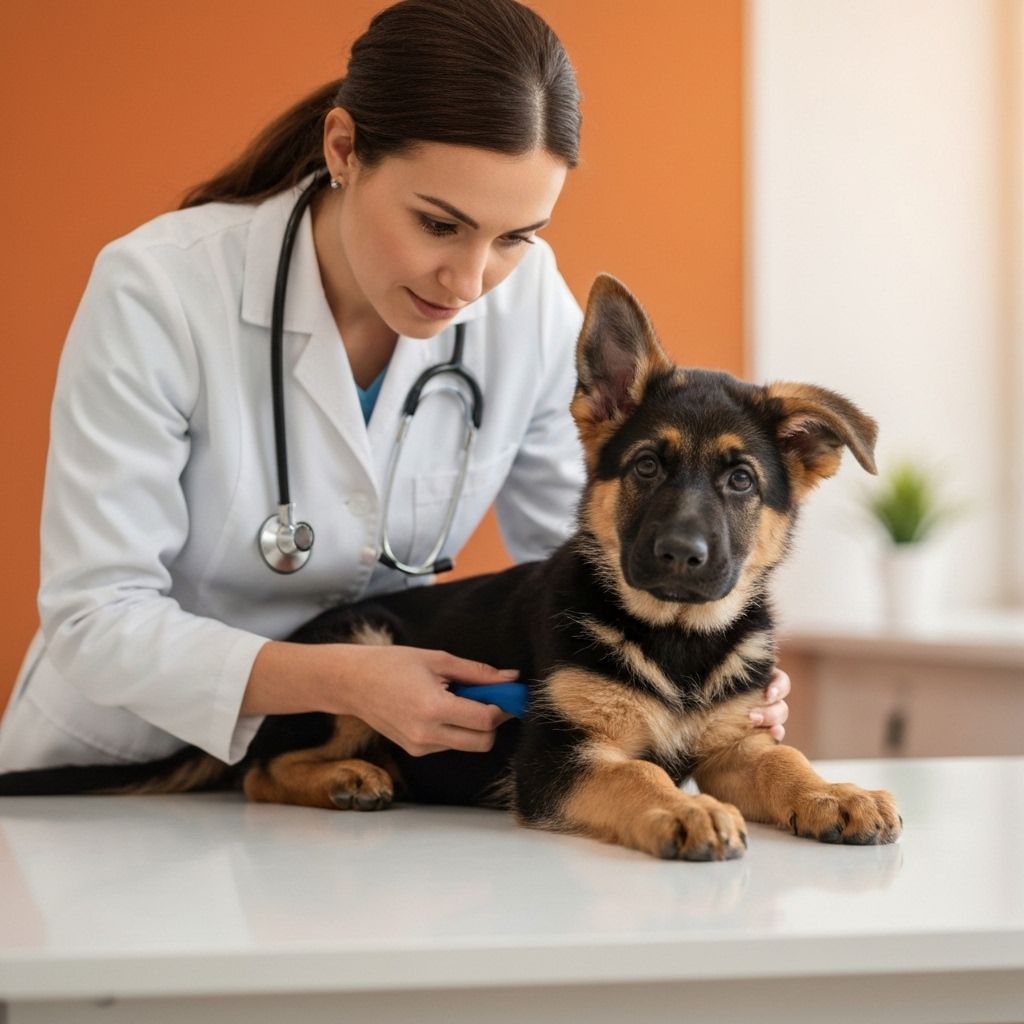
Health Screening and Documentation
Required Health Clearances for Parents
✓ Minimum Health Testing Requirements:
- Hip Dysplasia: OFA Good/Excellent or PennHIP score
- Elbow Dysplasia: OFA Normal rating
- Degenerative Myelopathy: DNA test showing clear or carrier status
- Cardiac Exam: OFA cardiac clearance
- Eye Exam: CERF/OFA eye clearance within past year
What Your Puppy Should Come With
- •Veterinary health certificate from recent exam
- •Vaccination records appropriate for age
- •Deworming history with dates and products used
- •AKC registration papers or application
- •Pedigree showing at least 3 generations
- •Written contract with health guarantee
- •Feeding instructions and starter food supply
- •Socialization record documenting early experiences
Questions to Ask Your Breeder
- 1. How long have you been breeding German Shepherds?
- 2. What health testing have you done on the parents?
- 3. Can I see the health clearances and pedigrees?
- 4. What socialization protocols do you use?
- 5. What is your health guarantee and return policy?
- 6. Do you provide lifetime support and advice?
- 7. Why did you choose to breed these two dogs together?
- 8. What are the temperaments of the parents like?
- 9. Have any puppies from previous litters had health issues?
- 10. Can you provide references from previous puppy buyers?
Conclusion
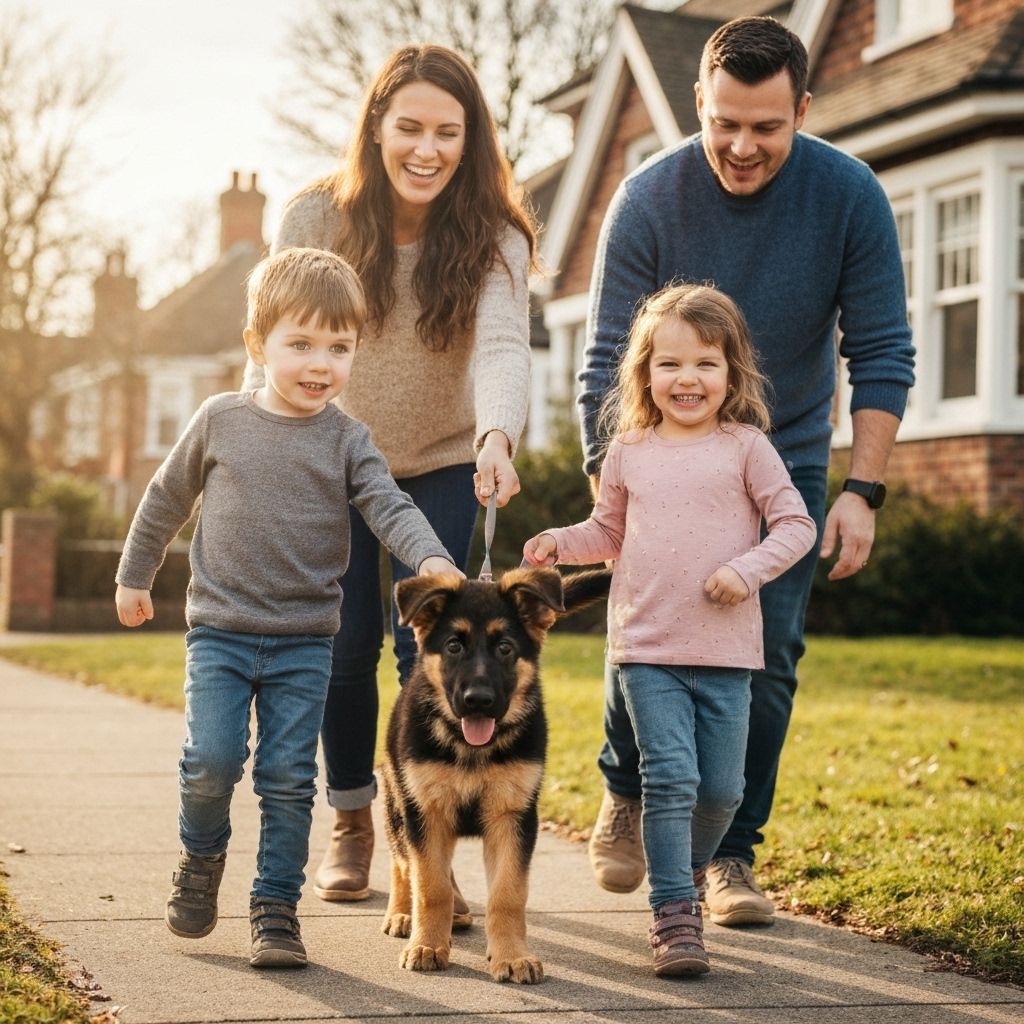
Choosing the right German Shepherd puppy requires patience, research, and careful evaluation. Don't rush the process or compromise on breeder quality to save money or time. The investment you make in finding a reputable breeder and selecting the right puppy will pay dividends throughout your dog's life in the form of better health, temperament, and fewer behavioral challenges.
Remember that a responsible breeder will be just as selective about you as you are about them. They want to ensure their puppies go to homes where they'll thrive. Be prepared to answer questions, wait for the right litter, and build a relationship with your breeder that will last throughout your dog's life.
💙 Final Thought
"The right puppy choice sets the foundation for a lifetime of companionship. Take your time, do your research, and trust your instincts. The perfect German Shepherd puppy for your family is worth the wait."