
Exercise Requirements for German Shepherds: Complete Activity Guide
Discover the ideal exercise routine to keep your German Shepherd healthy, happy, and well-behaved. Learn age-specific requirements, activity types, and safety guidelines.
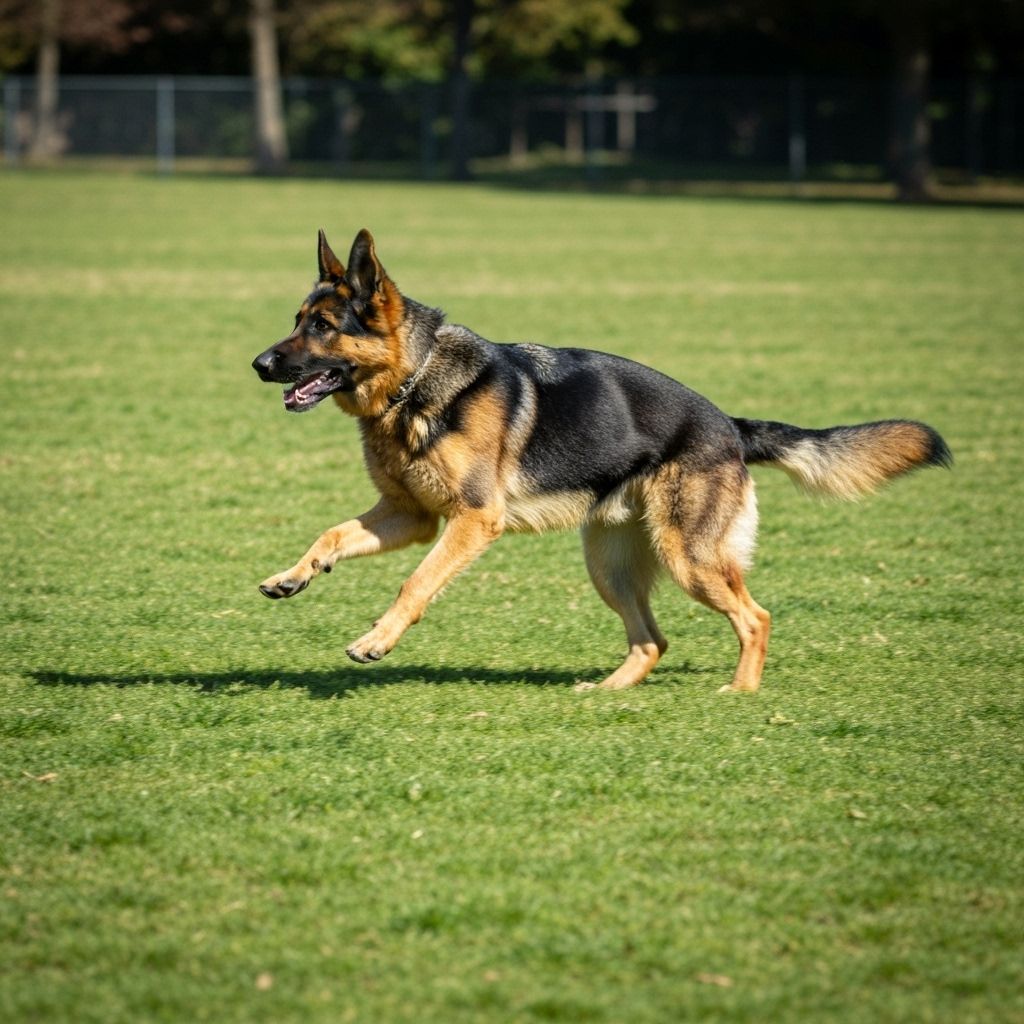
German Shepherds are athletic, high-energy working dogs bred for stamina and endurance. Without adequate physical and mental exercise, they can develop behavioral problems, destructive tendencies, and health issues. Understanding your GSD's exercise needs is crucial for their well-being and your harmonious relationship.
This comprehensive guide covers everything you need to know about exercising your German Shepherd, from daily requirements to age-specific routines, activity types, and safety considerations.

Dr. Sarah Mitchell
DVM, DACVB - Veterinary Behaviorist & Canine Fitness Specialist
Dr. Mitchell is a board-certified veterinary behaviorist with over 15 years of experience specializing in German Shepherd health, fitness, and behavioral wellness. She has worked with hundreds of GSD owners to develop customized exercise programs that promote optimal physical and mental health.
Daily Exercise Requirements by Age
Puppies (8 Weeks - 12 Months)
German Shepherd puppies have developing bones and joints that require careful exercise management. The general rule is 5 minutes of exercise per month of age, twice daily.
- •8-12 weeks: 10-15 minutes, 2-3 times daily
- •3-6 months: 15-30 minutes, 2-3 times daily
- •6-12 months: 30-60 minutes, 2 times daily
Important: Avoid high-impact activities like jumping, running on hard surfaces, and agility training until growth plates close (around 18 months).
Adults (1-7 Years)
Adult German Shepherds are at their physical peak and require substantial daily exercise to maintain health and prevent behavioral issues.
- •Minimum: 1-2 hours of exercise daily
- •Ideal: 2+ hours including varied activities
- •Split sessions: Morning and evening workouts prevent overexertion
Seniors (7+ Years)
Senior German Shepherds still need regular exercise but at a reduced intensity to accommodate aging joints and decreased stamina.
- •Duration: 30-60 minutes daily
- •Focus: Low-impact activities like swimming and gentle walks
- •Frequency: Multiple shorter sessions throughout the day
Best Types of Exercise for German Shepherds
Variety is key to keeping your German Shepherd engaged and physically balanced. Combine different activities to work various muscle groups and prevent boredom.
1. Walking and Hiking
The foundation of any exercise routine. Brisk walks provide cardiovascular benefits and mental stimulation through environmental exploration.
- ✓30-60 minute walks, 2 times daily minimum
- ✓Vary routes to provide new scents and sights
- ✓Include hills and varied terrain for added challenge
2. Running and Jogging
German Shepherds make excellent running partners once fully mature. Start gradually and build endurance over time.
- ✓Wait until 18 months old to start regular running
- ✓Begin with 10-15 minutes and increase gradually
- ✓Avoid running in extreme heat or cold
3. Swimming
An excellent low-impact exercise that's easy on joints while providing a full-body workout. Perfect for all ages, especially seniors.
- ✓Builds muscle without stressing joints
- ✓Great for rehabilitation and weight management
- ✓Always supervise and use a life vest initially
4. Fetch and Interactive Play
High-intensity bursts of activity that satisfy your GSD's prey drive and provide excellent cardiovascular exercise.
- ✓15-20 minute sessions, 2-3 times daily
- ✓Use balls, frisbees, or flirt poles
- ✓Incorporate training commands for mental stimulation
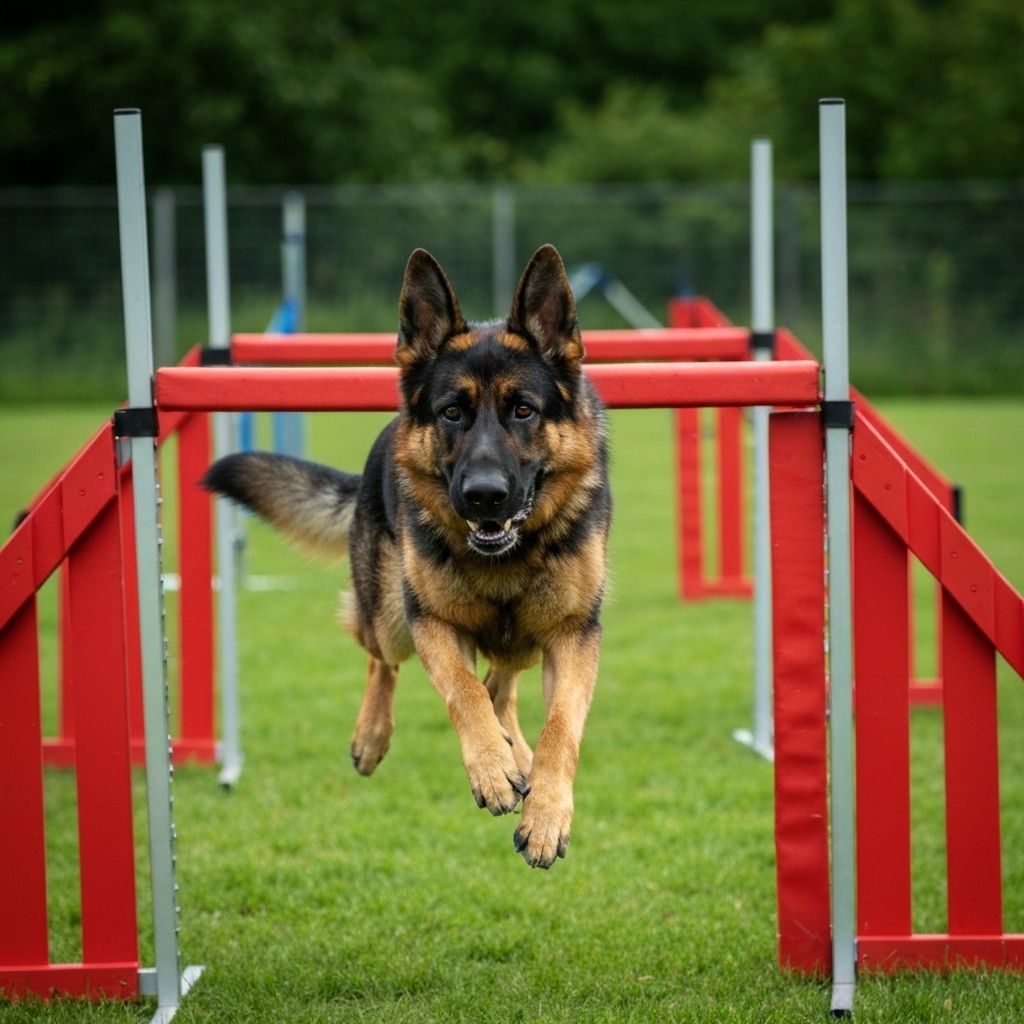
5. Agility and Obstacle Training
Combines physical exercise with mental challenges. German Shepherds excel at agility due to their intelligence and athleticism.
- ✓Start after 18 months when growth plates are closed
- ✓Provides mental and physical stimulation simultaneously
- ✓Can be done at home with DIY obstacles or at training facilities
Mental Stimulation: The Other Half of Exercise
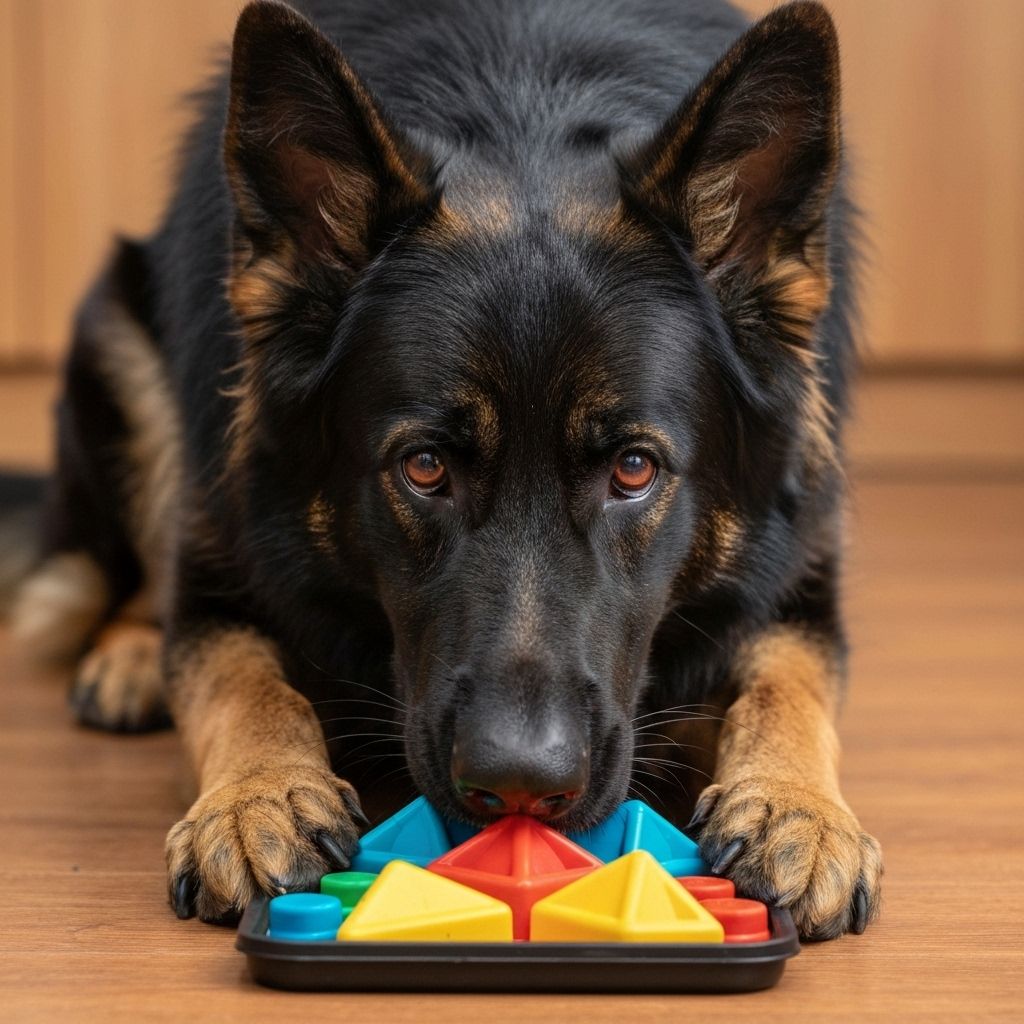
German Shepherds are highly intelligent working dogs that need mental challenges to stay happy and well-behaved. Mental exercise can tire your GSD as effectively as physical activity and prevents destructive behaviors caused by boredom.
Mental Stimulation Activities
- •Training Sessions:15-20 minutes of obedience or trick training daily
- •Puzzle Toys:Interactive feeders and treat-dispensing toys
- •Scent Work:Hide treats or toys for your dog to find using their nose
- •New Environments:Visit different locations to provide novel experiences
- •Socialization:Controlled interactions with other dogs and people
Pro Tip: Combine mental and physical exercise by incorporating training commands during walks, playing hide-and-seek, or teaching your GSD to carry items during hikes. This maximizes the benefit of each activity session.
Exercise Safety Guidelines
While German Shepherds are athletic dogs, proper safety precautions ensure they stay healthy and injury-free during exercise.
🌡️Weather Considerations
- •Avoid exercise in temperatures above 80°F (27°C)
- •Exercise early morning or evening in summer
- •Check pavement temperature with your hand
- •Provide shade and water breaks
💧Hydration
- •Always bring fresh water on outings
- •Offer water every 15-20 minutes during activity
- •Use a portable water bowl or bottle
- •Monitor for signs of dehydration
⚠️Warning Signs
- •Excessive panting or drooling
- •Limping or reluctance to move
- •Disorientation or stumbling
- •Bright red or pale gums
🏥Health Checks
- •Vet clearance before starting new routines
- •Regular joint health monitoring
- •Check paws for cuts or abrasions after exercise
- •Monitor weight and body condition
Creating a Balanced Exercise Schedule
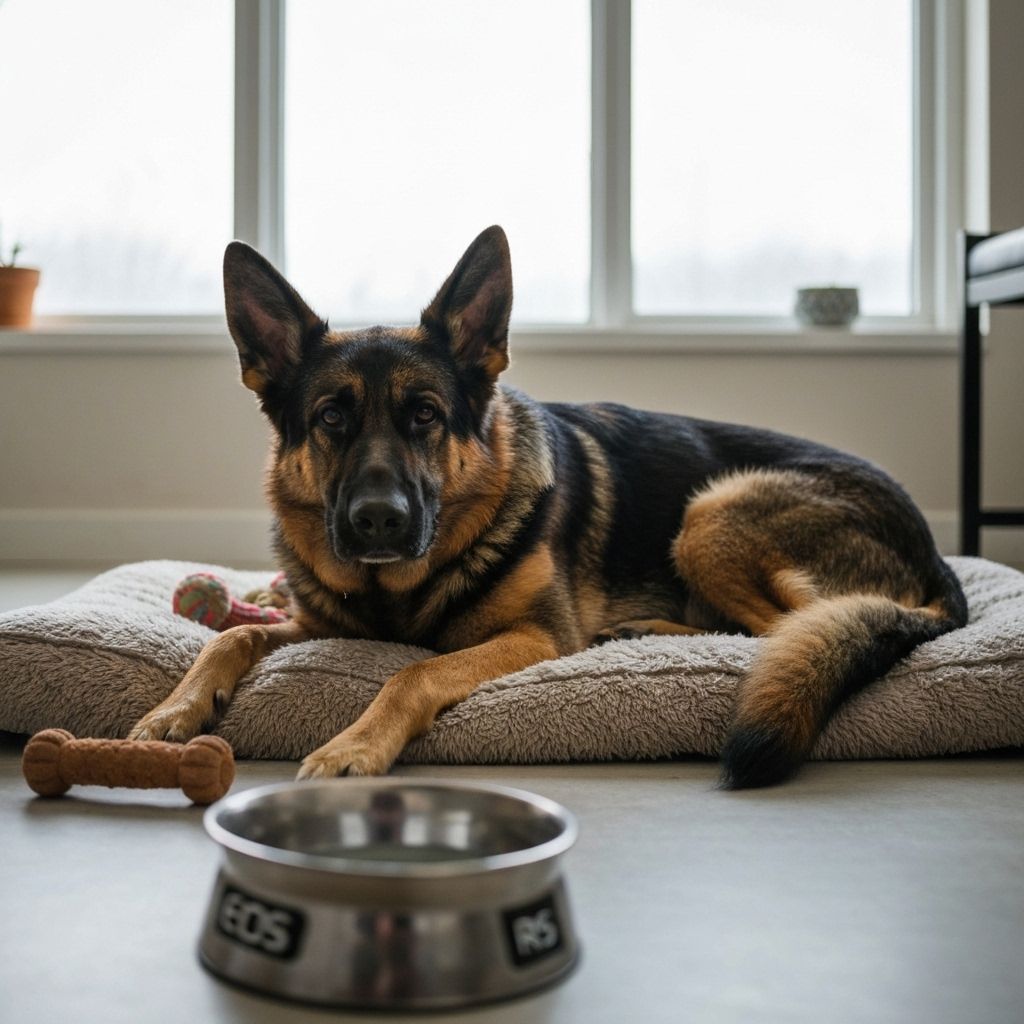
A well-structured exercise routine ensures your German Shepherd gets adequate physical activity, mental stimulation, and rest. Here's a sample weekly schedule for an adult GSD:
Sample Weekly Schedule
Monday, Wednesday, Friday
- • Morning: 45-minute brisk walk
- • Afternoon: 20-minute training session
- • Evening: 30-minute fetch or play session
Tuesday, Thursday
- • Morning: 30-minute jog or hike
- • Afternoon: Mental stimulation (puzzle toys, scent work)
- • Evening: 45-minute walk in new environment
Saturday
- • Morning: 2-hour hiking adventure
- • Afternoon: Swimming or agility training
- • Evening: Light walk and relaxation
Sunday (Active Rest Day)
- • Morning: Gentle 30-minute walk
- • Afternoon: Mental games and training
- • Evening: Light play and bonding time
Remember: This is a sample schedule. Adjust based on your dog's age, health, energy level, and your lifestyle. The key is consistency and variety while monitoring your GSD's response to the routine.
Signs Your German Shepherd Needs More Exercise
Under-exercised German Shepherds often develop behavioral problems as they try to burn off excess energy. Watch for these warning signs:
Destructive Behavior
Chewing furniture, digging, or destroying household items
Excessive Barking
Constant vocalization without apparent cause
Hyperactivity
Unable to settle, pacing, or constant restlessness
Attention-Seeking
Constantly demanding interaction or play
Weight Gain
Noticeable increase in body weight and decreased fitness
Escape Attempts
Trying to jump fences or dig under barriers
If you notice multiple signs, gradually increase your dog's exercise duration and intensity. Many behavioral issues resolve once German Shepherds receive adequate physical and mental stimulation.
Frequently Asked Questions
How much exercise does a German Shepherd need daily?
Adult German Shepherds need 1-2 hours of exercise daily, split into multiple sessions. This should include walks, playtime, and mental stimulation activities. Puppies need shorter, more frequent sessions (5 minutes per month of age, twice daily), while senior dogs may need 30-60 minutes of gentler activity.
What are the best exercises for German Shepherds?
The best exercises include brisk walks, jogging, fetch, swimming, agility training, hiking, and interactive play. Mental stimulation through training sessions, puzzle toys, and scent work is equally important for this intelligent breed.
Can German Shepherds be over-exercised?
Yes, especially puppies whose growth plates haven't closed. Signs include excessive panting, limping, reluctance to move, and behavioral changes. Always monitor your dog's condition and provide rest days. Puppies should avoid high-impact activities until 18 months old.
How do I exercise my German Shepherd in bad weather?
Indoor options include treadmill walking, indoor fetch, hide-and-seek, stair climbing (for adults only), tug-of-war, training sessions, and puzzle toys. Mental stimulation activities like scent work and obedience training can tire your GSD effectively without outdoor access.
Conclusion
Meeting your German Shepherd's exercise requirements is essential for their physical health, mental well-being, and behavioral balance. These athletic, intelligent dogs thrive when given adequate opportunities to run, play, work, and think.
Remember that exercise needs vary by age, health status, and individual temperament. Start with the guidelines provided and adjust based on your dog's response. A well-exercised German Shepherd is a happy, healthy, and well-behaved companion who will bring joy to your life for years to come.
Key Takeaways
- ✓Adult GSDs need 1-2 hours of daily exercise; adjust for age and health
- ✓Combine physical activities with mental stimulation for best results
- ✓Vary activities to prevent boredom and work different muscle groups
- ✓Monitor for signs of over-exercise and provide adequate rest
- ✓Consistency is key—establish a routine your dog can rely on