
Degenerative Myelopathy in German Shepherds: What You Need to Know
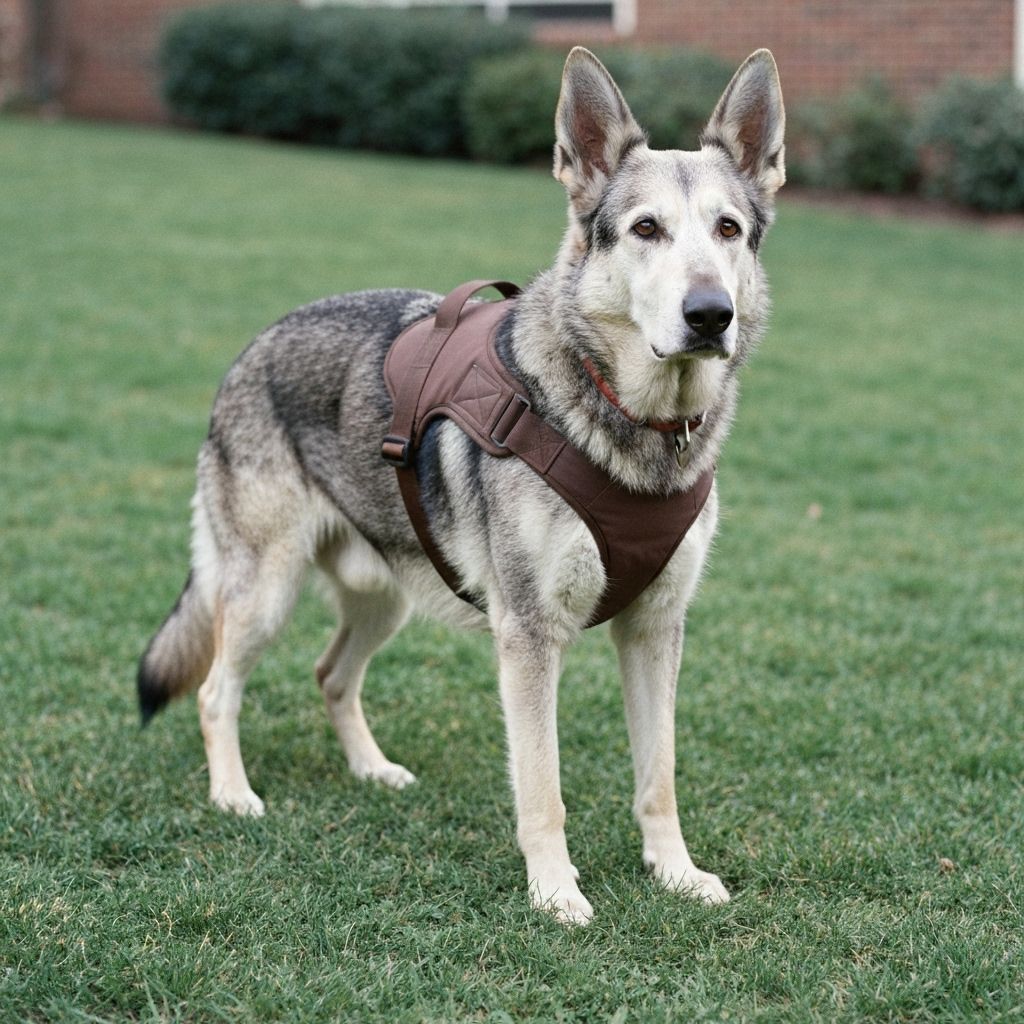
Degenerative Myelopathy (DM) is one of the most heartbreaking conditions that can affect German Shepherds. This progressive neurological disease gradually robs dogs of their mobility, starting with subtle coordination issues and eventually leading to paralysis. Understanding DM—its causes, symptoms, progression, and management—is crucial for every German Shepherd owner.
Understanding Degenerative Myelopathy
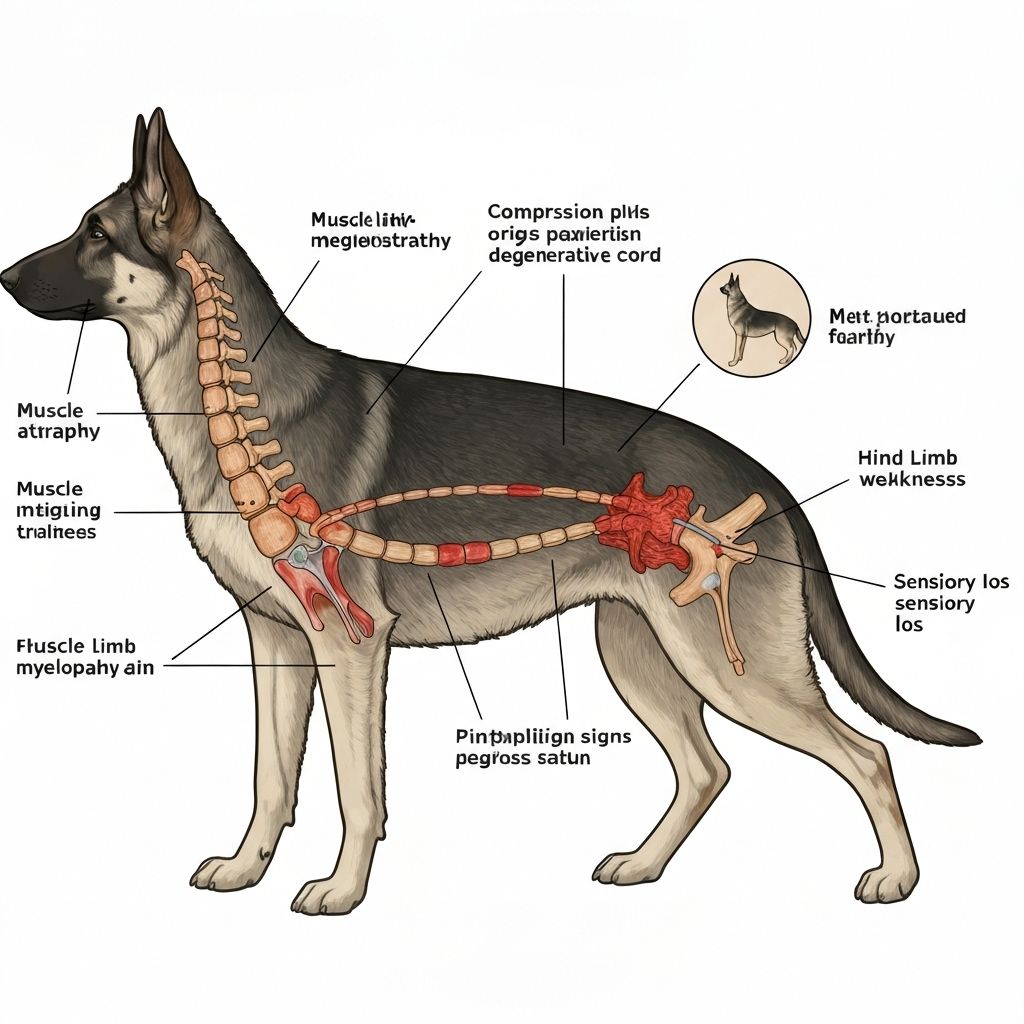
Degenerative Myelopathy is a progressive disease of the spinal cord that primarily affects older German Shepherds, typically between 8 and 14 years of age. The condition is caused by degeneration of the white matter of the spinal cord, which contains the nerve fibers responsible for communication between the brain and the limbs.
The Genetic Component
DM is associated with a mutation in the SOD1 (superoxide dismutase 1) gene. Dogs can be:
- •Clear (N/N): No copies of the mutation, will not develop DM
- •Carrier (N/DM): One copy of the mutation, unlikely to develop DM but can pass it to offspring
- •At-Risk (DM/DM): Two copies of the mutation, high risk of developing DM
Important Note:
Not all dogs with two copies of the mutation will develop DM, suggesting other genetic or environmental factors may play a role. However, dogs with DM/DM genotype have a significantly higher risk.
Recognizing the Symptoms of DM
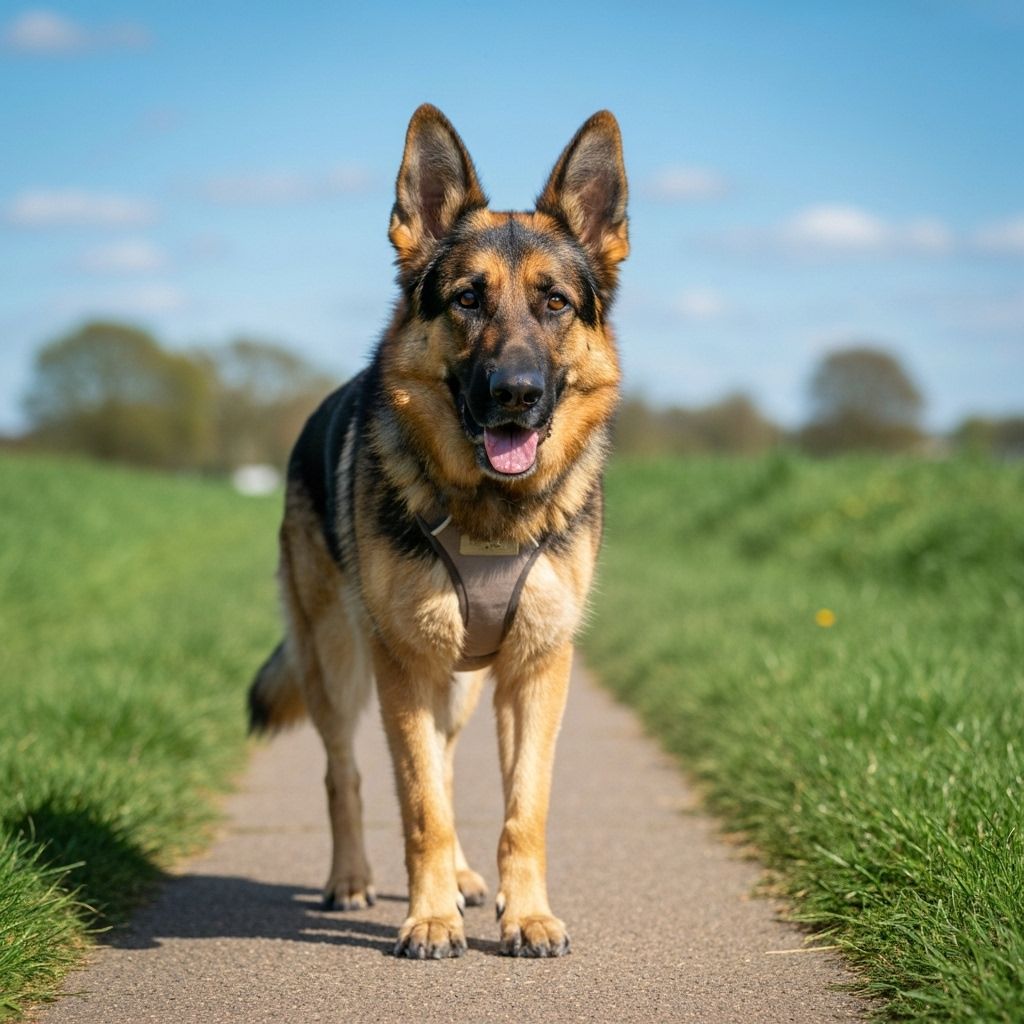
DM progresses through distinct stages, with symptoms gradually worsening over time. Early detection is crucial for implementing supportive care and maintaining quality of life.
Stage 1: Early Signs (0-6 months)
- ✓Loss of coordination in hind legs (ataxia)
- ✓Dragging or scuffing of rear paws when walking
- ✓Wobbling or swaying of the hindquarters
- ✓Difficulty standing up from a lying position
- ✓Wearing down of toenails on rear feet
- ✓Crossing of hind legs when walking
Stage 2: Progression (6-12 months)
- ✓Increased weakness in hind legs
- ✓Difficulty walking on slippery surfaces
- ✓Knuckling of rear paws (walking on top of paws)
- ✓Loss of muscle mass in hind legs
- ✓Trembling or shaking when standing
Stage 3: Advanced (12-24 months)
- ✓Paralysis of hind legs
- ✓Loss of bladder and bowel control
- ✓Weakness beginning in front legs
- ✓Difficulty breathing (in final stages)
Critical Distinction:
DM is painless—dogs do not experience pain from the disease itself. If your dog shows signs of pain, other conditions like arthritis or disc disease may be present and should be evaluated by a veterinarian.
Diagnosis and Testing
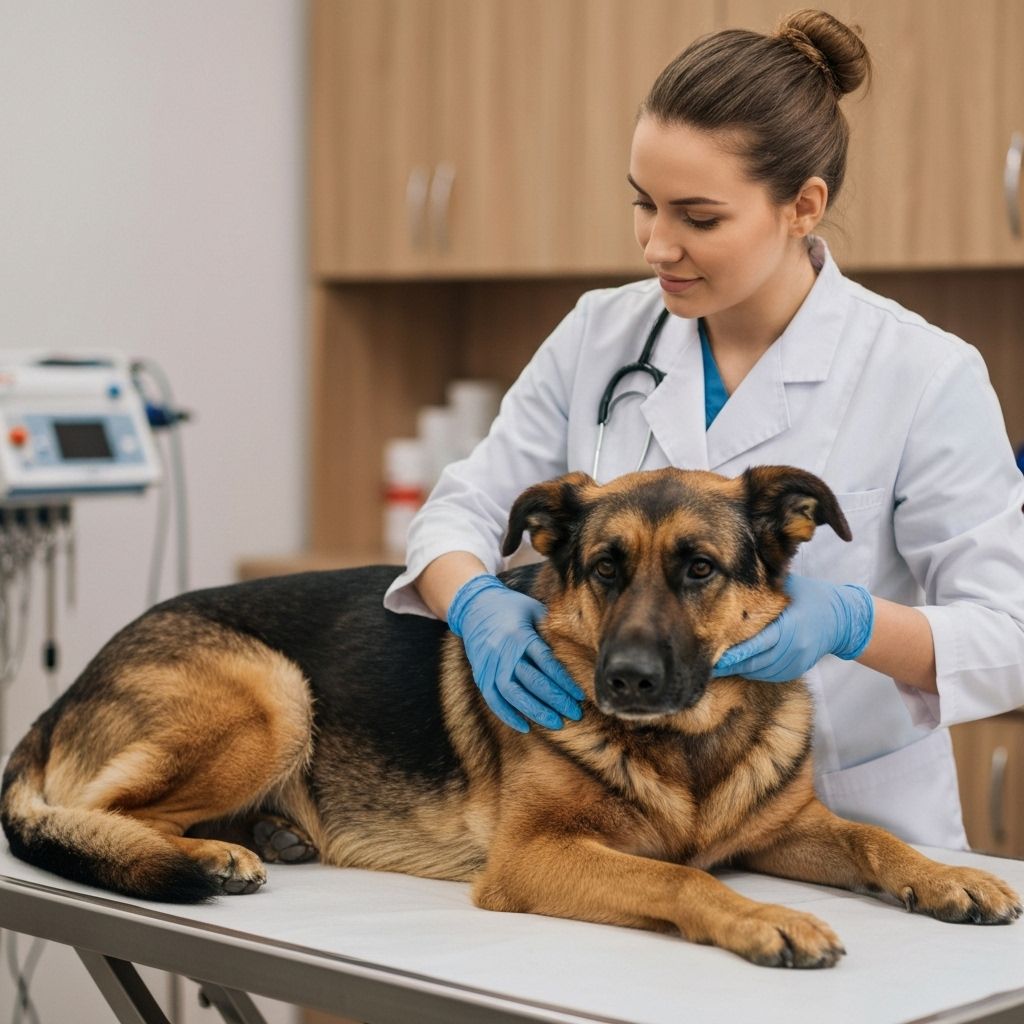
Diagnosing DM can be challenging because its symptoms overlap with other spinal conditions. A definitive diagnosis requires ruling out other diseases and, ideally, genetic testing.
Diagnostic Process
1. Physical and Neurological Examination
Your veterinarian will assess reflexes, proprioception (awareness of limb position), and muscle tone. DM typically shows normal reflexes initially, which helps distinguish it from disc disease.
2. Imaging Studies
X-rays, MRI, or CT scans help rule out other conditions such as:
- •Intervertebral disc disease
- •Spinal tumors
- •Lumbosacral stenosis
- •Hip dysplasia or arthritis
3. Genetic Testing
A simple DNA test using a cheek swab or blood sample can determine if your dog carries the SOD1 mutation. Testing is available through veterinary diagnostic laboratories and costs approximately $65-$150.
4. Cerebrospinal Fluid Analysis
In some cases, analysis of spinal fluid may be performed to rule out inflammatory or infectious conditions affecting the spinal cord.
Diagnosis of Exclusion:
DM is often diagnosed by ruling out other conditions. A definitive diagnosis can only be confirmed through post-mortem examination of spinal cord tissue, but genetic testing combined with clinical signs provides strong evidence.
Treatment and Management Strategies
While there is no cure for DM, supportive care can significantly improve quality of life and slow progression. The goal is to maintain mobility, prevent complications, and keep your dog comfortable and happy for as long as possible.
Physical Therapy and Exercise
Regular, controlled exercise is crucial for maintaining muscle mass and delaying progression:
- ✓Daily walks: Short, frequent walks on non-slip surfaces help maintain muscle tone and coordination
- ✓Hydrotherapy: Swimming or underwater treadmill exercises provide low-impact strengthening
- ✓Range of motion exercises: Gentle stretching and flexing of limbs prevent stiffness
- ✓Balance exercises: Standing on unstable surfaces (with support) helps maintain proprioception
Mobility Aids and Assistive Devices
Rear Support Harnesses
Help-'Em-Up harnesses or similar devices allow you to support your dog's hindquarters during walks and help them stand. Essential for early to mid-stage DM.
Dog Wheelchairs
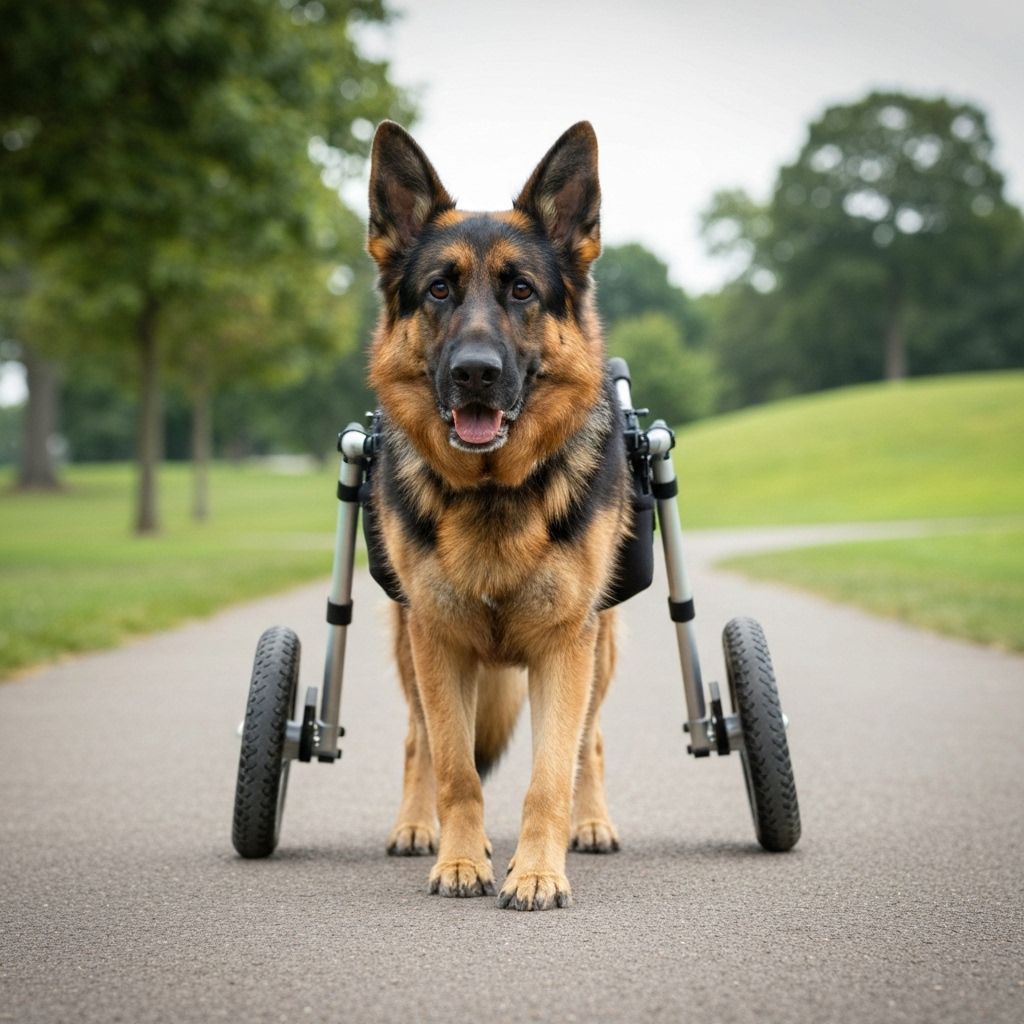
Custom-fitted carts support the rear legs while allowing front leg mobility. Many dogs adapt quickly and can run, play, and maintain independence with a wheelchair.
Booties and Toe Grips
Protect paws from dragging injuries and provide better traction on slippery floors. Replace regularly as they wear down.
Non-Slip Flooring
Yoga mats, rubber runners, or carpet provide secure footing throughout your home. Essential for preventing falls and maintaining confidence.
Nutritional Support
- ✓Omega-3 fatty acids: May have neuroprotective effects and reduce inflammation
- ✓Antioxidants: Vitamins E and C may help combat oxidative stress
- ✓Weight management: Maintaining ideal body weight reduces stress on weakened limbs
- ✓High-quality protein: Supports muscle maintenance despite reduced activity
Home Modifications
- ✓Install ramps for stairs and furniture access
- ✓Elevate food and water bowls for easier access
- ✓Provide orthopedic bedding to prevent pressure sores
- ✓Create a ground-floor living space to avoid stairs
- ✓Use baby gates to block off hazardous areas
Quality of Life Considerations
One of the most difficult aspects of DM is deciding when quality of life has declined to the point where euthanasia should be considered. Because DM is not painful, many dogs maintain good spirits even with significant mobility loss.
Signs of Good Quality of Life
- ✓Maintains appetite and enjoys meals
- ✓Shows interest in surroundings and family activities
- ✓Responds positively to interaction and affection
- ✓Can be kept clean and comfortable with reasonable effort
- ✓Enjoys modified activities (short walks, car rides, etc.)
Warning Signs
- ✗Loss of appetite or difficulty eating
- ✗Difficulty breathing or respiratory distress
- ✗Chronic pressure sores or skin infections
- ✗Loss of interest in previously enjoyed activities
- ✗Inability to maintain hygiene despite assistance
- ✗Caregiver burnout affecting the dog's care
Quality of Life Assessment:
Many veterinarians use quality of life scales to help owners make this difficult decision. These tools assess factors like pain, hunger, hydration, hygiene, happiness, mobility, and more good days than bad. Discuss these assessments with your veterinarian regularly.
Prevention Through Responsible Breeding
While we cannot prevent DM in dogs that already carry the mutation, responsible breeding practices can reduce the incidence of this devastating disease in future generations.
Breeding Recommendations
Test All Breeding Dogs
Every German Shepherd used for breeding should be genetically tested for the SOD1 mutation before breeding decisions are made.
Avoid At-Risk Pairings
Never breed two carriers (N/DM × N/DM) or a carrier with an at-risk dog (N/DM × DM/DM), as this will produce at-risk puppies.
Acceptable Pairings
Safe breeding combinations include:
- •Clear × Clear (N/N × N/N) - All puppies clear
- •Clear × Carrier (N/N × N/DM) - 50% clear, 50% carriers
- •Clear × At-Risk (N/N × DM/DM) - All puppies carriers
Living with a DM Diagnosis
A DM diagnosis is heartbreaking, but many dogs live happily for months or even years after symptoms begin. The key is adapting to your dog's changing needs while maintaining their dignity and joy.
Emotional Support
- ✓Join support groups for owners of dogs with DM
- ✓Work with a veterinary social worker or counselor
- ✓Focus on quality time and creating positive memories
- ✓Practice self-care to prevent caregiver burnout
Financial Considerations
Managing DM involves ongoing costs for:
- •Mobility aids ($100-$600 for wheelchairs, $50-$150 for harnesses)
- •Physical therapy ($50-$150 per session)
- •Supplements and medications ($30-$100 per month)
- •Home modifications (varies widely)
- •Veterinary monitoring ($100-$300 per visit)
Pet insurance typically does not cover pre-existing conditions, so DM-related expenses are usually out-of-pocket. Some organizations offer financial assistance for mobility aids.
Conclusion
Degenerative Myelopathy is a progressive, incurable disease that affects many German Shepherds. While the diagnosis is devastating, understanding the condition, implementing supportive care, and focusing on quality of life can help your dog live comfortably for months or years after symptoms begin.
Early recognition of symptoms, genetic testing, physical therapy, mobility aids, and home modifications all play crucial roles in managing DM. Most importantly, remember that DM is painless— with proper support, many dogs maintain their joy and zest for life despite mobility challenges.
If you suspect your German Shepherd may have DM, consult with your veterinarian or a veterinary neurologist for proper diagnosis and a comprehensive care plan. With dedication and love, you can help your dog navigate this challenging condition with dignity and comfort.

Dr. Emily Rodriguez
DVM, Diplomate ACVIM (Neurology)
Dr. Rodriguez is a board-certified veterinary neurologist with over 15 years of experience specializing in canine spinal cord diseases. She has published extensively on Degenerative Myelopathy and works closely with German Shepherd owners to provide compassionate, evidence-based care for dogs with neurological conditions.