
Understanding Bloat in German Shepherds: A Life-Saving Guide to GDV Prevention
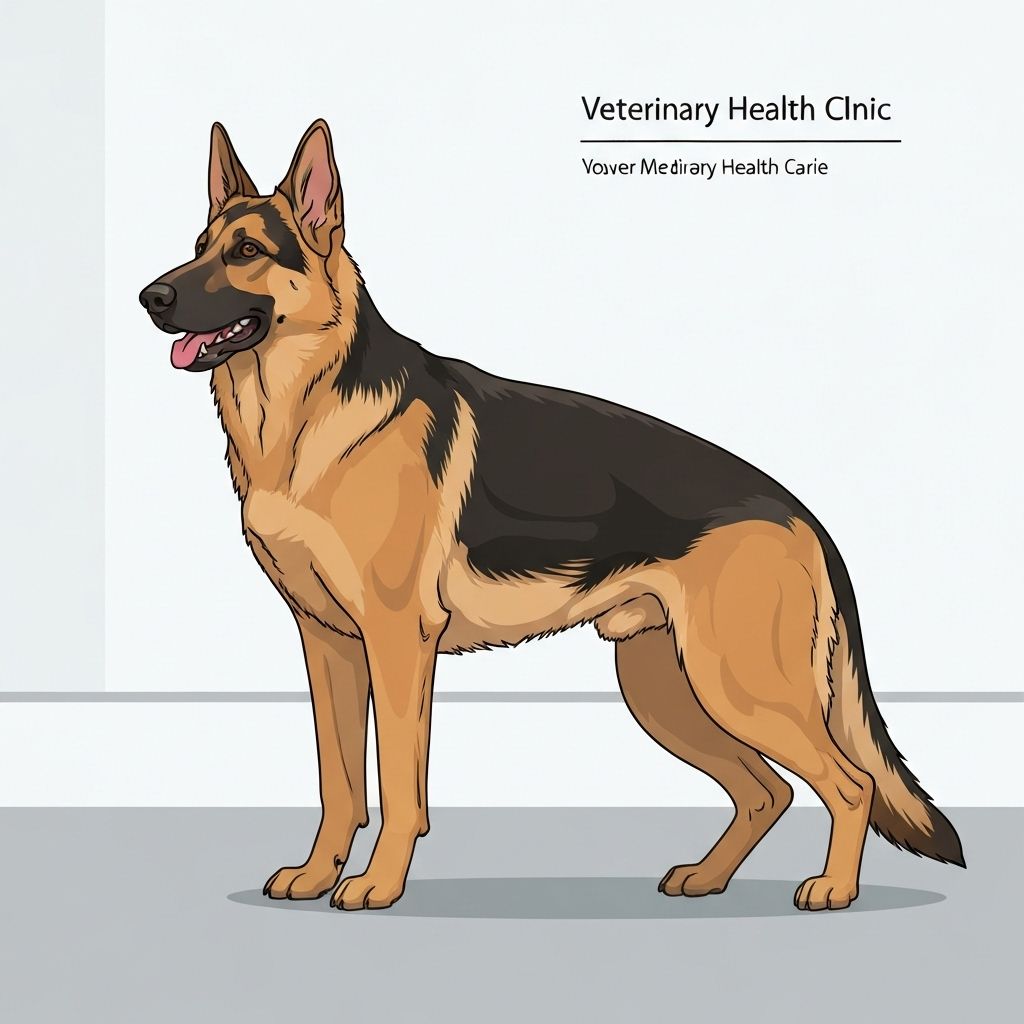
Bloat, medically known as Gastric Dilatation-Volvulus (GDV), is one of the most critical emergency conditions affecting German Shepherds and other large, deep-chested breeds. This life-threatening condition can progress from initial symptoms to death within hours if left untreated. Understanding the warning signs, risk factors, and prevention strategies is essential for every German Shepherd owner.
Studies show that German Shepherds have a 2.4 times higher risk of developing bloat compared to mixed breeds, making this knowledge potentially life-saving. In this comprehensive guide, we'll cover everything you need to know about recognizing, preventing, and responding to this emergency condition.
What is Bloat (GDV)?
Bloat occurs in two stages, both of which are medical emergencies:
Stage 1: Gastric Dilatation
The stomach fills with gas, fluid, or food and becomes distended. The exact cause of gas accumulation is not fully understood, but it may involve:
- •Aerophagia (swallowing excessive air while eating or drinking rapidly)
- •Fermentation of food in the stomach
- •Dysfunction of the gastric sphincters preventing gas release
Stage 2: Volvulus (Stomach Torsion)
The distended stomach rotates on its axis, typically 180-360 degrees. This rotation:
- ⚠Traps gas and fluid inside the stomach
- ⚠Cuts off blood supply to the stomach wall
- ⚠Compresses the vena cava, reducing blood return to the heart
- ⚠Can cause the spleen to twist as well, leading to splenic necrosis
- ⚠Triggers systemic shock and organ failure
Critical Warning Signs of Bloat
🚨EMERGENCY SYMPTOMS - SEEK IMMEDIATE VETERINARY CARE
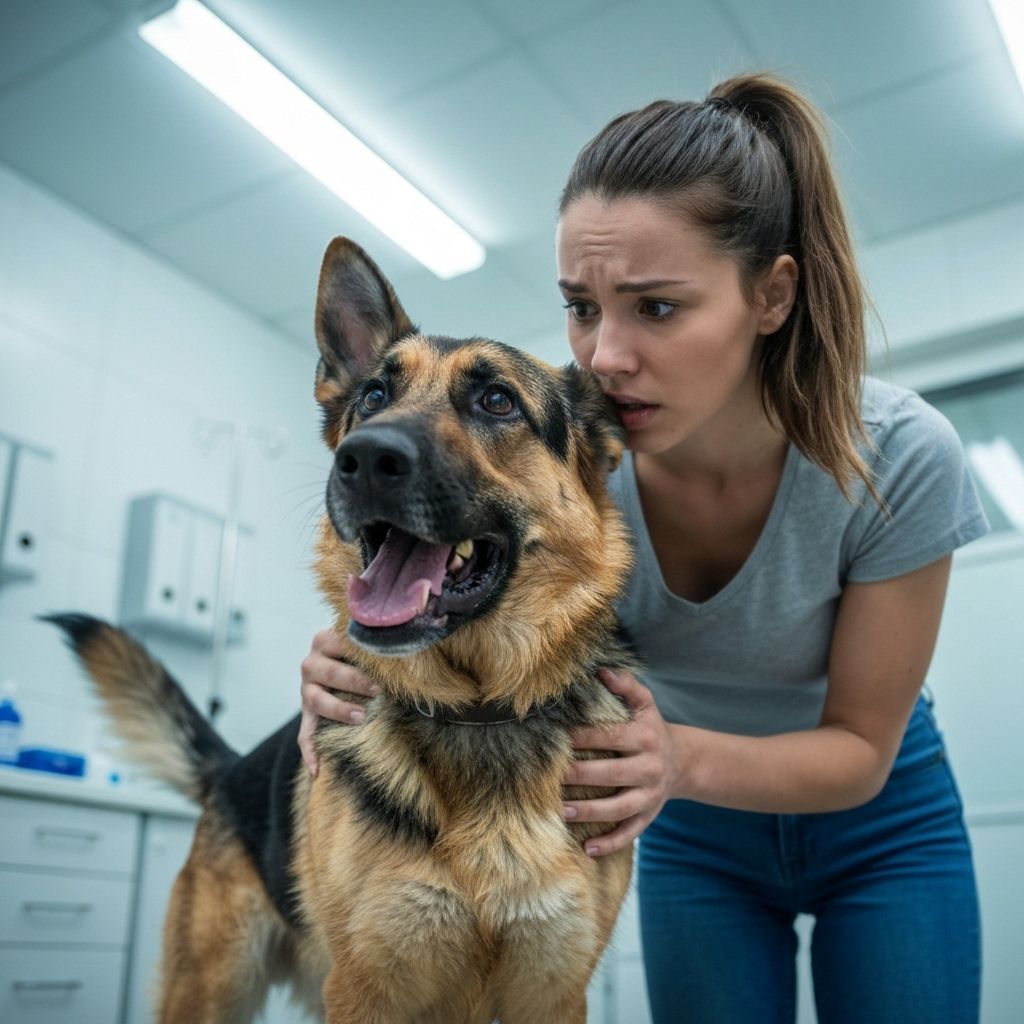
If your German Shepherd exhibits any combination of these symptoms, this is a life-threatening emergency. Do not wait - go to the nearest emergency veterinary hospital immediately:
Early Warning Signs
- ●Restlessness and pacing
Unable to get comfortable, constantly changing positions
- ●Unsuccessful vomiting attempts
Dry heaving or retching without producing vomit
- ●Excessive drooling
Thick, ropy saliva production
- ●Distended abdomen
Swollen, tight belly that sounds hollow when tapped
Advanced/Critical Signs
- ●Rapid, shallow breathing
Difficulty breathing, labored respiration
- ●Pale or blue gums
Indicating poor circulation and shock
- ●Weakness or collapse
Unable to stand, lying on side
- ●Rapid heart rate
Weak pulse, signs of cardiovascular shock
⏱️ Time is Critical
Bloat can progress from initial symptoms to death in as little as 30 minutes to 2 hours. Every minute counts. If you suspect bloat, call ahead to the emergency vet while transporting your dog immediately. Do not attempt home remedies or wait to see if symptoms improve.
Risk Factors for Bloat in German Shepherds
Understanding risk factors can help you take preventive measures and remain vigilant:
Anatomical Risk Factors
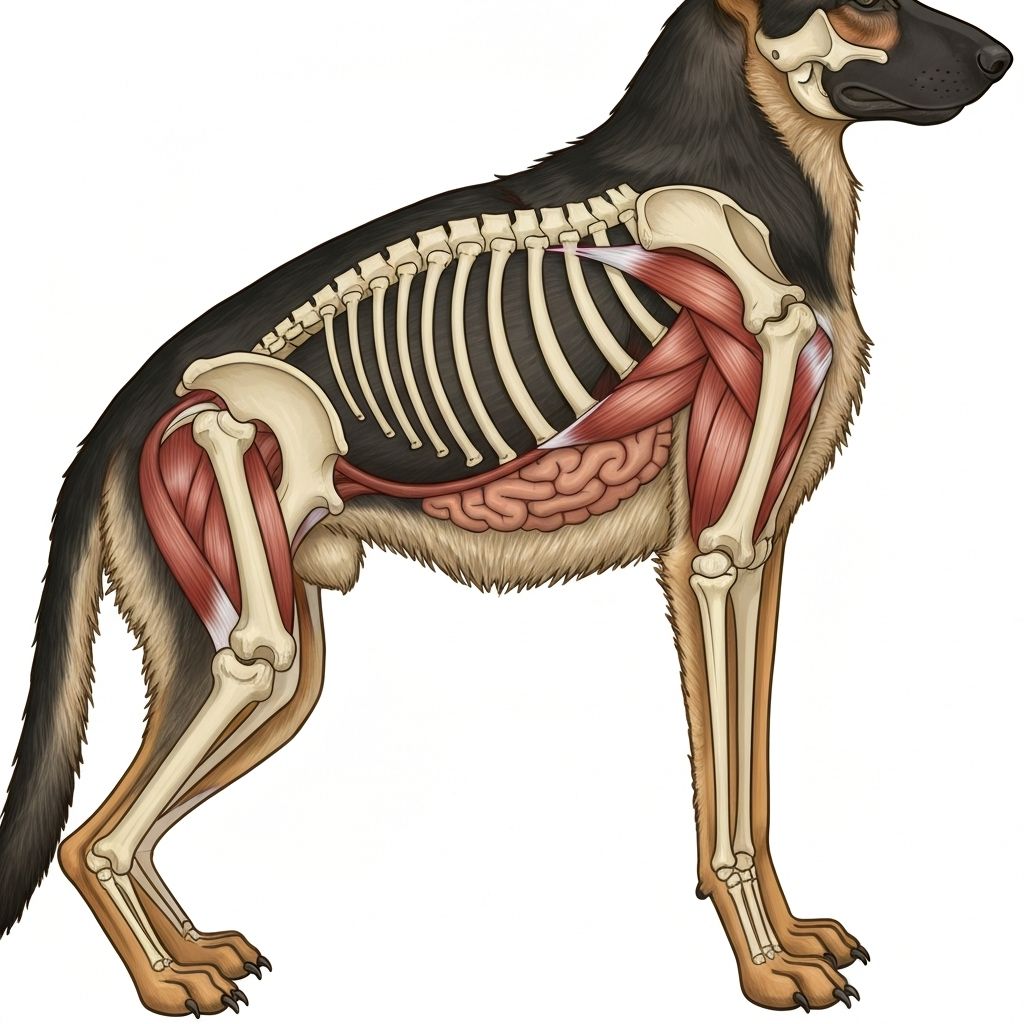
- ▸Deep, narrow chest structure
German Shepherds' chest-to-width ratio increases bloat susceptibility
- ▸Large breed size
Dogs over 50 lbs have significantly higher risk
- ▸Age
Risk increases with age, particularly in dogs 7+ years old
Behavioral & Environmental Factors
- ▸Eating habits
Rapid eating, eating one large meal per day, gulping food and water
- ▸Exercise timing
Vigorous exercise immediately before or after meals
- ▸Stress and anxiety
Fearful or anxious temperament, stressful feeding environment
- ▸Diet composition
Dry kibble only, foods high in fat, foods with citric acid as preservative
Genetic & Medical Factors
- ▸Family history
First-degree relatives with bloat history significantly increase risk
- ▸Previous bloat episode
Dogs who have had bloat once have a 70-80% chance of recurrence without gastropexy
- ▸Gastrointestinal disorders
Inflammatory bowel disease, delayed gastric emptying
Evidence-Based Prevention Strategies
While bloat cannot be completely prevented, research-backed strategies can significantly reduce risk:
🍽️Feeding Management
- ✓Feed 2-3 smaller meals daily
Instead of one large meal, divide daily food into multiple portions
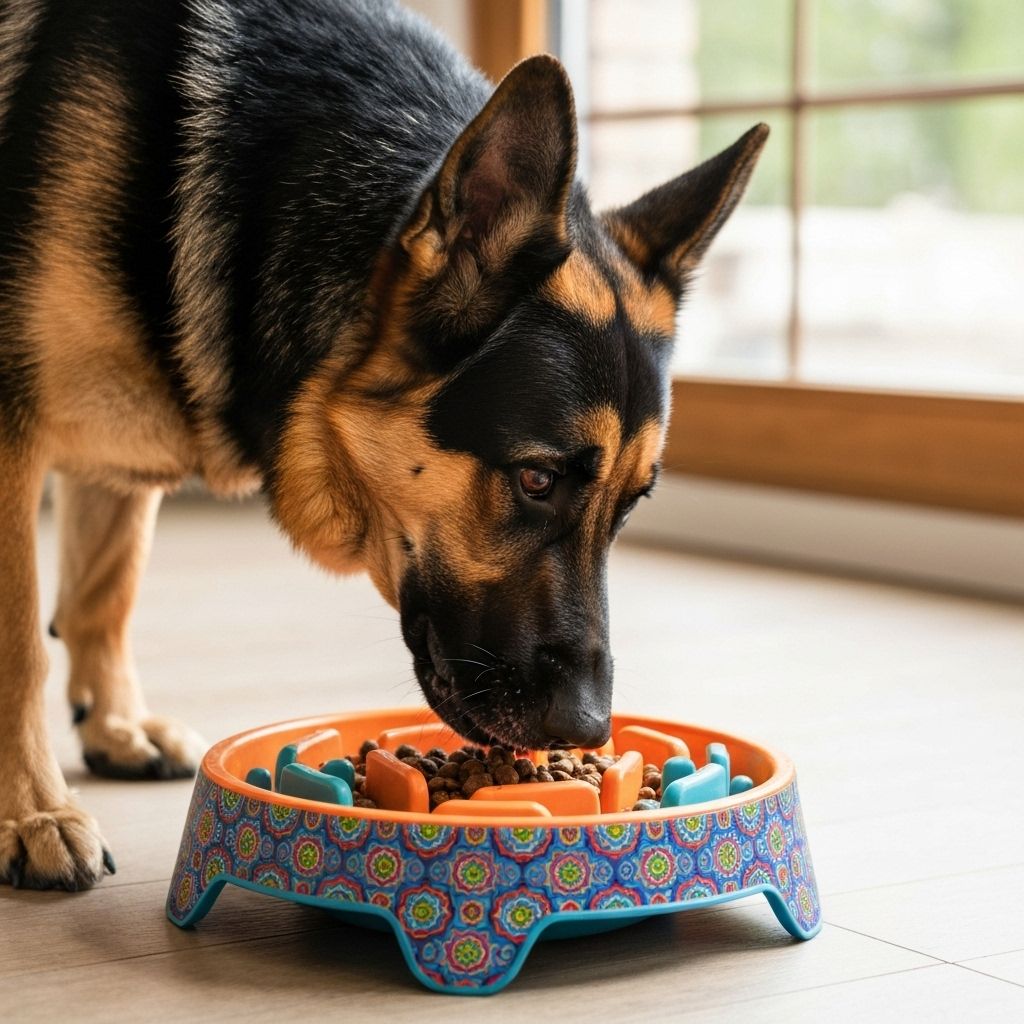
- ✓Use slow-feeder bowls
Puzzle feeders or slow-feed bowls reduce eating speed and air swallowing
- ✓Avoid elevated food bowls
Studies show elevated bowls may increase bloat risk in large breeds
- ✓Limit water intake during meals
Provide water before and after meals, but not large amounts during eating
- ✓Consider adding wet food
Mixing wet food with kibble may reduce fermentation and gas production
🏃Exercise Management
- ✓Wait 1-2 hours after meals before exercise
Allow digestion to begin before vigorous activity
- ✓Avoid exercise immediately before meals
Let your dog calm down before feeding after activity
- ✓Limit running and jumping after eating
Gentle walks are okay, but avoid vigorous play
😌Stress Reduction
- ✓Create a calm feeding environment
Feed in a quiet area away from other pets and distractions
- ✓Maintain consistent feeding schedule
Regular meal times reduce anxiety and anticipation
- ✓Separate feeding areas for multiple dogs
Reduce competition and food guarding stress
Prophylactic Gastropexy: Surgical Prevention
Gastropexy is a surgical procedure where the stomach is permanently attached to the abdominal wall, preventing it from twisting. This is the only method that can truly prevent the volvulus (twisting) component of bloat.
When to Consider Gastropexy
- ●During spay/neuter surgery
Can be performed at the same time as sterilization surgery
- ●High-risk breeds
Recommended for German Shepherds and other deep-chested breeds
- ●Family history of bloat
If parents or siblings have experienced bloat
- ●After first bloat episode
Essential to prevent recurrence (70-80% recurrence rate without gastropexy)
Benefits
- ✓95%+ effective at preventing stomach torsion
- ✓Can be done laparoscopically (minimally invasive)
- ✓One-time procedure with lifetime protection
- ✓Cost-effective compared to emergency bloat surgery
Considerations
- •Does not prevent gastric dilatation (gas accumulation)
- •Requires general anesthesia
- •2-3 week recovery period
- •Cost: $400-$600 preventive, $1,500-$3,000 emergency
Discuss prophylactic gastropexy with your veterinarian, especially if your German Shepherd has multiple risk factors. Many owners choose to have this procedure done during spay/neuter surgery to minimize anesthesia exposure and recovery time.
Emergency Response Protocol
If You Suspect Bloat - Act Immediately
- 1.Call the emergency vet immediately
Alert them you're coming with a suspected bloat case so they can prepare
- 2.Transport your dog immediately
Do not wait to see if symptoms improve - every minute counts
- 3.Keep your dog calm during transport
Minimize movement and stress; have someone drive while you monitor your dog
- 4.Do not attempt home remedies
Do not try to make your dog vomit or give medications - this wastes critical time
What to Expect at the Emergency Vet
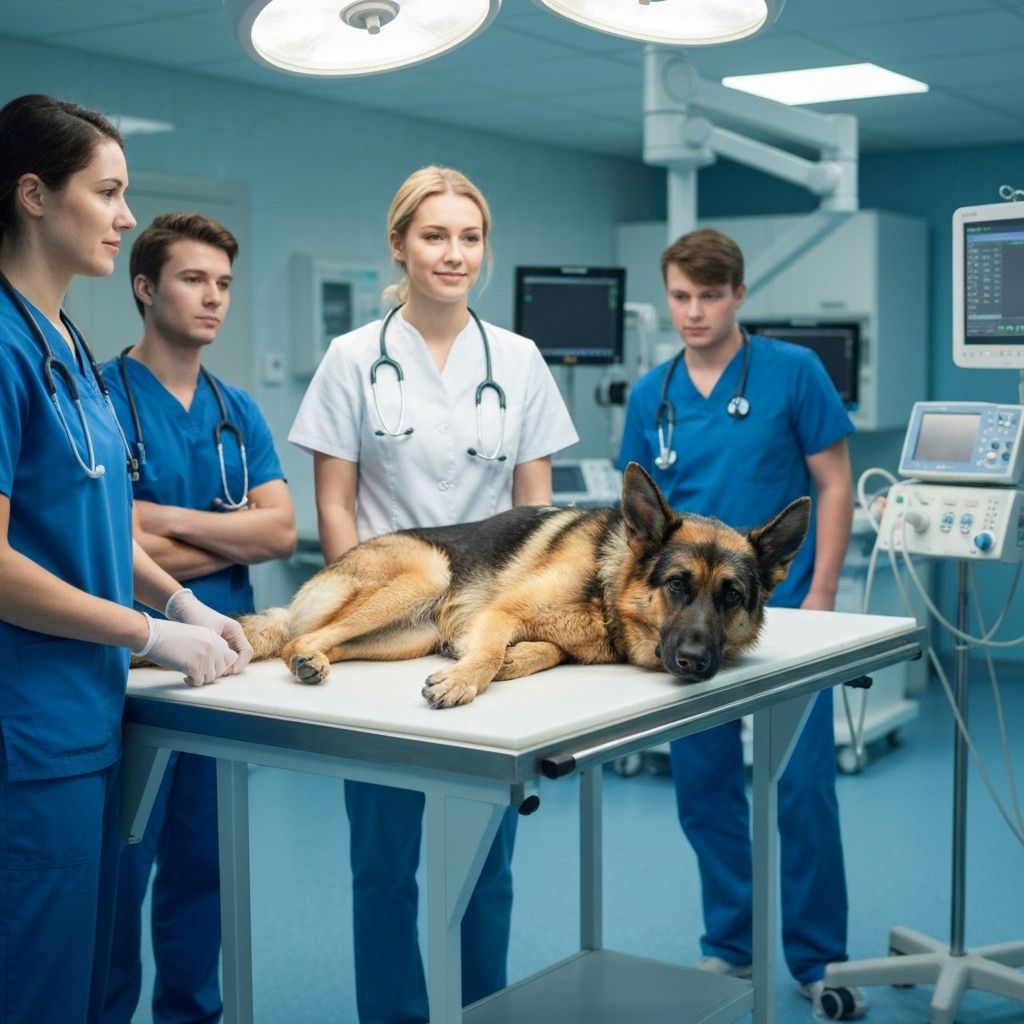
Emergency treatment for bloat typically involves:
- ▸Immediate stabilization
IV fluids, oxygen therapy, pain management, and treatment for shock
- ▸Gastric decompression
Tube passed through the mouth or needle inserted through the abdomen to release gas
- ▸Diagnostic imaging
X-rays to confirm diagnosis and assess stomach position
- ▸Emergency surgery
To untwist the stomach, remove dead tissue, and perform gastropexy
- ▸Post-operative care
24-48 hour hospitalization for monitoring and supportive care
💰 Cost Considerations
Emergency bloat surgery typically costs $1,500-$7,500 depending on:
- • Geographic location and facility type
- • Severity of condition and complications
- • Length of hospitalization required
- • Whether spleen removal is necessary
Pet insurance typically covers emergency bloat treatment. Consider insurance coverage for your German Shepherd, especially if gastropexy is not performed.
Prognosis and Long-Term Management
Survival Rates
Survival rate with immediate treatment (within 1-2 hours)
Survival rate with delayed treatment or complications
Prevention rate with prophylactic gastropexy
Post-Surgery Care
After successful bloat surgery, your German Shepherd will need:
- ▸Restricted activity for 2-3 weeks
Leash walks only, no running or jumping
- ▸Small, frequent meals
4-6 small meals daily for the first week, gradually transitioning to 2-3 meals
- ▸Medications
Pain management, antibiotics, and possibly anti-nausea medications
- ▸Follow-up appointments
Suture removal and monitoring for complications
- ▸Lifelong prevention strategies
Continue all feeding and exercise management protocols
⚠️ Recurrence Risk
Without gastropexy, dogs who have experienced bloat once have a 70-80% chance of recurrence. Gastropexy performed during emergency surgery reduces this risk to less than 5%. Strict adherence to prevention strategies is essential for dogs who have survived bloat.
Frequently Asked Questions
Can bloat resolve on its own?
No. Bloat, especially with volvulus (stomach twisting), is always a medical emergency requiring immediate veterinary intervention. Simple gastric dilatation (gas accumulation without twisting) may occasionally resolve, but you cannot determine this without veterinary examination. Never wait to see if symptoms improve - always seek emergency care immediately.
Should I get prophylactic gastropexy for my German Shepherd?
This is a personal decision to discuss with your veterinarian. Given that German Shepherds are a high-risk breed, many veterinarians recommend prophylactic gastropexy, especially if performed during spay/neuter surgery. Consider factors like family history, your dog's eating habits, and your access to emergency veterinary care when making this decision.
Are certain German Shepherd lines more prone to bloat?
Yes, there appears to be a genetic component to bloat susceptibility. Dogs with first-degree relatives (parents, siblings) who have experienced bloat are at significantly higher risk. When selecting a German Shepherd puppy, ask the breeder about bloat history in the bloodline.
Can puppies get bloat, or is it only adult dogs?
While bloat is most common in adult and senior dogs (typically 7+ years), it can occur in puppies, though this is rare. Risk increases with age, so prevention strategies become increasingly important as your German Shepherd matures.
Does feeding raw food prevent bloat?
There is no conclusive evidence that raw food diets prevent bloat. What matters more is feeding management: meal frequency, eating speed, and exercise timing. Some studies suggest that dry kibble with high fat content or citric acid preservatives may increase risk, but diet type alone is not a primary risk factor. Focus on how and when you feed rather than what you feed.
Conclusion: Knowledge Saves Lives
Bloat is one of the most serious emergency conditions affecting German Shepherds, but with proper knowledge, prevention strategies, and rapid response, you can significantly improve your dog's chances of survival. Remember these key takeaways:
Essential Takeaways
- ✓Recognize the symptoms
Distended abdomen, unsuccessful vomiting, restlessness, and pale gums are emergency signs
- ✓Act immediately
Every minute counts - go directly to emergency vet if you suspect bloat
- ✓Implement prevention strategies
Multiple small meals, slow feeding, exercise timing, and stress reduction
- ✓Consider prophylactic gastropexy
Especially for high-risk dogs or those with family history of bloat
- ✓Know your emergency vet location
Have the address and phone number readily available before an emergency occurs
Share this information with family members, dog sitters, and anyone who cares for your German Shepherd. Being prepared and informed is your best defense against this life-threatening condition.
Dr. James Cooper
Emergency Veterinarian, DVM
Dr. Cooper is a board-certified emergency veterinarian with over 15 years of experience in critical care for large breed dogs. He has treated hundreds of bloat cases and is passionate about educating pet owners on emergency prevention and recognition.